What RSD Is, Why It Is Common in ADHD, and How It Shapes Emotional Life
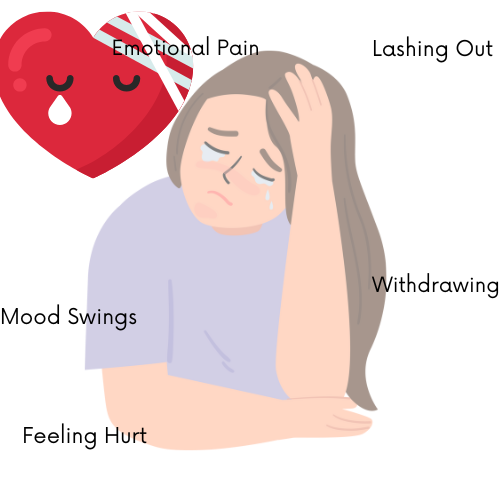
Rejection Sensitive Dysphoria (RSD) refers to an intense emotional response to perceived or actual rejection, criticism, or failure. For many ADHD women, this response is not mild or fleeting. It can feel sudden, overwhelming, and physically painful, even when the trigger appears small or ambiguous to others.
In over 30 years of clinical work with women with ADHD, rejection sensitivity is one of the most common patterns described by clients.
This page explains what RSD is, why it is so commonly experienced by ADHD women, how it shows up emotionally and physically, and why it is frequently misunderstood or misdiagnosed. Each related page on this site explores how RSD appears in specific areas of life, including relationships, work, rumination, and self-talk.Explore RSD in ADHD Women
Many ADHD women experience rejection sensitivity in different areas of life. You can explore these patterns in more detail:
• How to Calm an RSD Episode
• RSD in Romantic Relationships
• RSD in Friendships
• Managing RSD at Work
• ADHD Mistakes and Rejection Sensitivity
• RSD and Depression
What Is Rejection Sensitive Dysphoria?
Rejection Sensitive Dysphoria is not a formal diagnosis in the DSM. It is a clinical construct used to describe a pattern of intense emotional pain following perceived rejection, criticism, or disappointment.
People who experience RSD often report:
- Sudden waves of shame, sadness, anger, or despair
- Feeling emotionally flooded or overwhelmed
- Difficulty recovering once triggered
- Strong urges to withdraw, shut down, or defend themselves
For some individuals, these emotional reactions are accompanied by physical symptoms such as headaches, stomach distress, chest tightness, or muscle tension.
RSD is most commonly discussed in relation to ADHD, but it is also observed in autistic people and in individuals with anxiety, mood disorders, or trauma histories. Experiencing RSD does not automatically mean someone has ADHD.
Why RSD Is So Common in ADHD Women
RSD is best understood as a form of emotional dysregulation. Emotional dysregulation is widely recognized by ADHD researchers, even though it is not part of the formal diagnostic criteria.
ADHD affects how the brain regulates:
- Emotional intensity
- Emotional recovery time
- Threat detection
- Sensitivity to social feedback
For many ADHD women, this means emotions rise quickly, feel intense, and take longer to settle.
Contributing Factors
Neurobiology
ADHD brains show differences in emotional regulation networks and stress-response systems. These differences can make rejection cues feel urgent and difficult to ignore.
Genetics
Clinicians such as William Dodson have proposed that rejection sensitivity may be genetically linked to ADHD-related emotional regulation patterns.
Chronic Negative Feedback
By adolescence, children with ADHD receive significantly more negative correction than their peers. Over time, this conditions the nervous system to anticipate criticism or failure.
Environmental Shaping
Schools, workplaces, and relationships are often not designed for ADHD brains. Repeated experiences of misunderstanding or punishment increase sensitivity to perceived rejection.
RSD develops at the intersection of biology and lived experience. It is not a personality flaw or a lack of resilience.
Core Features of RSD in ADHD Women
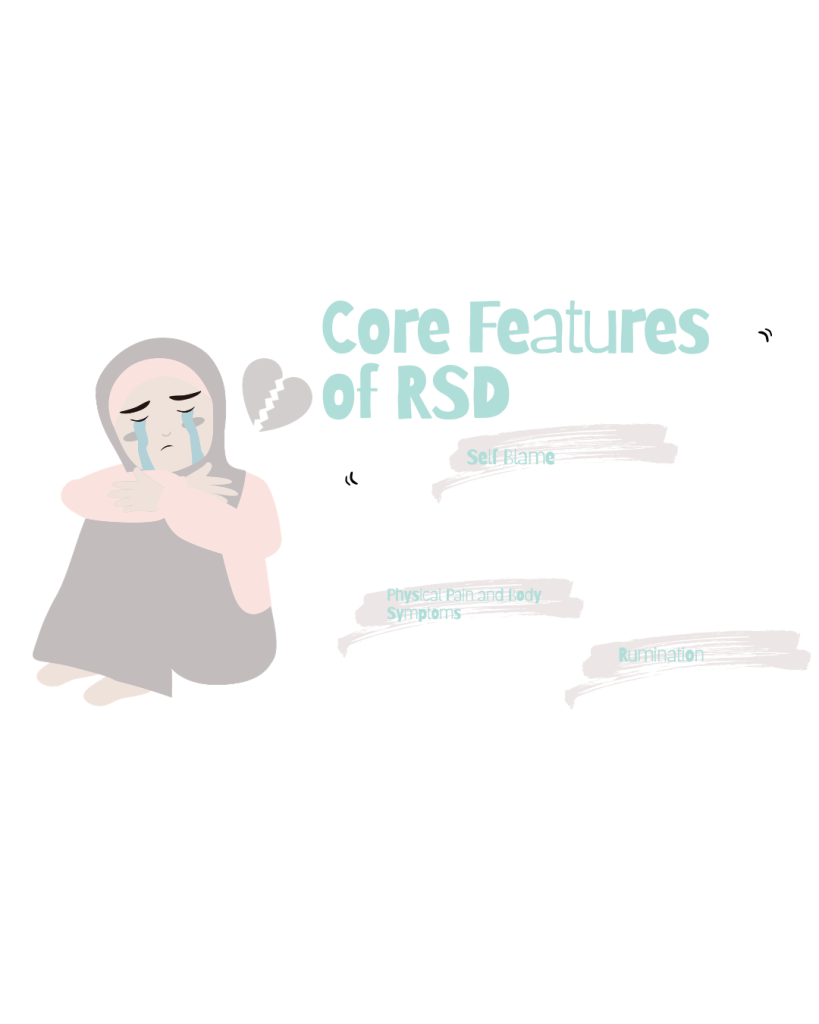
While RSD varies from person to person, several features appear consistently.
Rumination
Many ADHD women replay interactions repeatedly after an RSD trigger. Thoughts loop around what was said, what was meant, and what should have been done differently. This rumination intensifies distress and interferes with sleep, focus, and daily functioning.
Self-Blame
RSD often turns inward. Many women criticize themselves for having emotions at all, for “overreacting,” or for believing they are fundamentally flawed or unlovable.
Physical Pain and Body Symptoms
RSD is not purely emotional. Many people experience real physical symptoms, including nausea, headaches, muscle tension, or exhaustion. These reactions reflect a full-body stress response.
RSD Episodes in ADHD Women
Many ADHD women describe sudden RSD episodes where emotional pain rises quickly and feels overwhelming.
These episodes often include:
• intense shame
• fear of rejection
• rumination
• difficulty calming down
While episodes feel sudden, they usually follow a recognizable pattern of activation and recovery.
→ Read: How to Calm an RSD Episode in ADHD Women
The Emotional Crash After an RSD Episode
After an RSD trigger, some ADHD women experience a prolonged emotional drop. This may include:
- Intense sadness
- Withdrawal from others
- Difficulty initiating tasks
- Increased anxiety or depressive symptoms
In some cases, an RSD episode worsens pre-existing anxiety or depression. This is one reason RSD is often mistaken for a primary mood disorder rather than recognized as a reactive nervous system response.
How Common Is RSD in ADHD Women?
Research on RSD is still limited, but available evidence suggests it is more common in women with ADHD than in men.
In one qualitative study:
- Approximately 83 percent of women with ADHD reported experiences consistent with RSD
- Approximately 43 percent of men with ADHD reported similar experiences
Clinicians who specialize in ADHD frequently observe rejection sensitivity in the majority of their adult female clients, even when it is not the presenting concern.
Why RSD Is Often Misdiagnosed
RSD overlaps with symptoms of anxiety, depression, bipolar disorder, and borderline personality disorder. Without an ADHD-informed lens, clinicians may misinterpret:
- Emotional intensity as mood instability
- Withdrawal as depression
- Anger or defensiveness as personality pathology
Because RSD is not named in diagnostic manuals, many ADHD women are treated for secondary symptoms without addressing the underlying sensitivity to rejection.
For many women, simply having language for this experience reduces shame and self-blame.
What Makes RSD Worse
Certain situations reliably intensify RSD responses:
- Feeling abandoned or emotionally distanced
- Social exclusion
- Academic or work-related underperformance
- Unclear or critical feedback
- Environments with chronic evaluation and little reassurance
These situations activate threat responses in nervous systems already primed for rejection sensitivity.
Why RSD Is Often More Intense for ADHD Women
Rejection Sensitive Dysphoria often feels more intense for ADHD women not because they are more fragile, but because their nervous systems have been shaped by neurological sensitivity combined with chronic social pressure. ADHD traits collide early with gender expectations, delayed diagnosis, and repeated misattunement. Over time, rejection comes to threaten safety, belonging, and self-worth.
Gender Expectations
Girls are expected to be emotionally attuned, socially smooth, and relationally responsible. ADHD traits often conflict with these expectations, leading to increased correction and criticism around emotions and relationships.
Masking and Its Costs
Many ADHD women learn to mask early to avoid criticism or exclusion. While masking can reduce visible conflict, it increases exhaustion and reinforces the belief that acceptance is conditional.
Childhood Misattunement
ADHD girls are frequently misunderstood. Their distress is often met with correction rather than curiosity, leading many women to turn emotional pain inward through shame and self-blame.
The Perfectionism Trap
Perfectionism often develops as a protective strategy. When mistakes feel unsafe, being flawless can seem necessary. Over time, this strategy increases pressure and intensifies fear of rejection.
Systemic Factors
RSD is reinforced by systems that fail to recognize ADHD in girls and reward compliance over authenticity. Reducing RSD requires earlier diagnosis, accurate education, and environments that do not punish emotional difference.
Treatment and Support for RSD
There is no single treatment for RSD, but several approaches can be helpful when delivered in a neurodivergent-affirming way.
Medication
Some ADHD medications, including alpha-2 agonists such as guanfacine or clonidine, may reduce emotional reactivity for some individuals. Medication decisions should be made with a knowledgeable prescriber.
Therapy
Effective therapy often includes psychoeducation about ADHD, reducing shame, learning regulation and recovery strategies, and supporting self-advocacy and accommodation.
Supportive Relationships
Consistent, validating relationships significantly buffer RSD. Many individuals with lower RSD report strong emotional support as a key protective factor.
- RSD in Romantic Relationships
- RSD and Feedback in the Workplace
- Using Self-Talk to Manage RSD
- RSD and Rumination
- RSD and Perfectionism
If you are feeling overwhelmed, you do not need to read everything at once. Start where RSD affects your life the most.Frequently Asked Questions About RSD in ADHD Women
Is RSD an official diagnosis?
No. RSD is not listed in the DSM, but it is widely recognized by ADHD clinicians as a pattern of intense emotional reactions to perceived rejection.
Why do ADHD women experience RSD so strongly?
ADHD affects emotional regulation and threat detection. Combined with years of correction or misunderstanding, rejection cues can activate quickly and feel overwhelming.
Can RSD improve with treatment?
Yes. ADHD-informed therapy, medication for some individuals, and environments that reduce chronic criticism can significantly reduce RSD intensity over time.
Final Note
Rejection Sensitive Dysphoria is not a personal failure. It reflects how an ADHD nervous system responds to threat, history, and meaning. With understanding, support, and appropriate tools, ADHD women can learn to work with this sensitivity rather than against it.
→ More in this series: How to Calm an RSD Episode | ADHD Mistakes and RSD | RSD and Depression in Women with ADHD | Supporting a Partner with RSD | RSD and Friendships in Women with ADHD
