Why It Feels Harder — and What Is Actually Happening
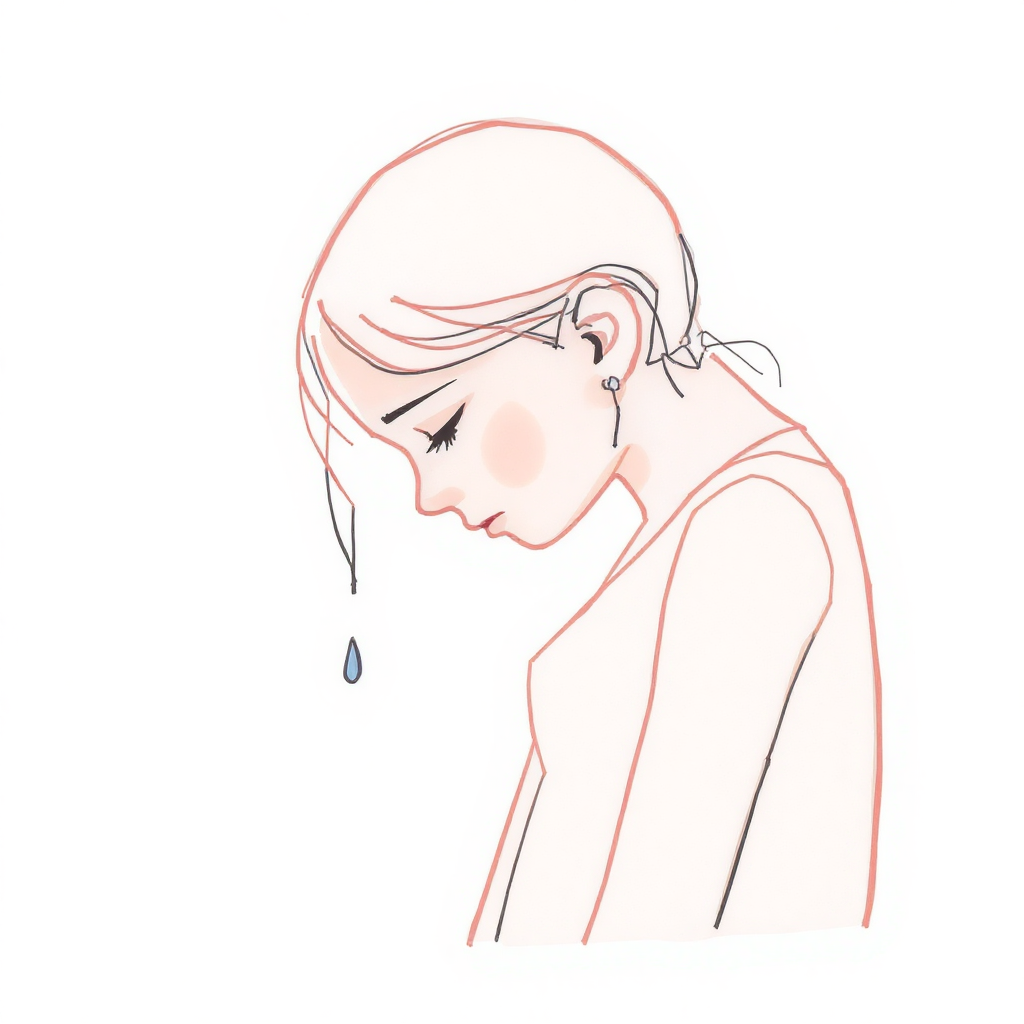
This page is part of our ADHD and Mental Health in Women guide
Mental health struggles are extremely common in ADHD women. Anxiety, depression, burnout, emotional shutdown, and trauma-related symptoms show up at much higher rates than in the general population.
This is not because ADHD women are fragile, overly emotional, or unable to cope.
It happens because ADHD places a chronic load on executive functioning, and that load compounds over time — especially in systems that were not built for ADHD brains or women’s lives.
This page explains why mental health looks different in ADHD women, how common diagnoses are often misunderstood, and where to go next depending on what you are experiencing.
This is a hub. Each section links to deeper, focused pages so you can get clarity without overload.
How ADHD Affects Mental Health in Women
ADHD is not only about attention. It affects how the brain regulates:
- emotional intensity
- stress response
- working memory
- task initiation
- recovery after effort
For ADHD women, these differences interact with gendered expectations, hormonal shifts, and long periods of misdiagnosis or dismissal.
Over time, this creates predictable mental health strain.
Common contributors include:
- Executive functioning overload
Daily life requires constant planning, remembering, prioritizing, and self-monitoring. When this load stays high for years, the nervous system does not get enough recovery.
- Chronic self-monitoring and masking
Many ADHD women learn to compensate quietly. This uses significant cognitive and emotional energy and often leads to burnout before anyone recognizes the cost.
- Late diagnosis and internalized blame
Many women are diagnosed after years of being told they are anxious, lazy, disorganized, or difficult. That history matters.
- Hormonal sensitivity
ADHD symptoms and emotional regulation are affected by menstrual cycles, pregnancy, postpartum changes, perimenopause, and menopause. This is rarely accounted for in mental health care.
Mental health symptoms in ADHD women are often secondary, not separate. They are signals that the system has been under strain for too long.
Anxiety in ADHD Women
Anxiety is one of the most common mental health diagnoses given to ADHD women. It is also one of the most misunderstood.
In many cases, anxiety in ADHD women is driven by:
- constant cognitive tracking of tasks and responsibilities
- fear of forgetting, missing, or misjudging timing
- accumulated experiences of criticism or failure
- sensory overload and nervous system reactivity
- rejection sensitivity and social vigilance
This anxiety is often situational and load-based, not purely fear-based.
That distinction matters for treatment.
If anxiety is being driven by executive functioning overload, trying to “think differently” without reducing load often makes things worse.
→ Explore this further:
- ADHD and Anxiety
- ADHD and Generalized Anxiety
- Panic, Hypervigilance, and ADHD
- Nighttime Anxiety in ADHD Women
Depression, Burnout, and Emotional Shutdown
Depression in ADHD women does not always look like sadness.
It often shows up as:
- exhaustion
- loss of capacity
- difficulty starting even meaningful tasks
- emotional flattening
- withdrawal after prolonged effort
In many cases, this is burnout, not a primary mood disorder.
Years of compensating, masking, and pushing through executive dysfunction can lead to nervous system collapse. From the outside, this can resemble depression. Internally, it often feels like there is nothing left to give.
This distinction matters because burnout requires load reduction and accommodation, not just motivation or insight.
→ Explore this further:
- ADHD and Depression
- Burnout or Depression?
- Functional Shutdown in ADHD Women
Trauma and ADHD in Women
ADHD is not trauma.
But living with unrecognized or unsupported ADHD can be traumatizing over time.
Many ADHD women carry layers of:
- developmental trauma from chronic criticism or punishment
- relational trauma from misunderstanding and rejection
- medical trauma from dismissal or misdiagnosis
- identity trauma from years of feeling “wrong”
Trauma can intensify ADHD symptoms, and ADHD can increase vulnerability to certain traumatic experiences. Untangling the two requires careful, informed assessment.
→ Explore this further:
Co-Occurring Mental Health Conditions
ADHD in women often co-occurs with other conditions. These combinations are frequently misinterpreted, especially when ADHD is not recognized first.
Common overlaps include:
- anxiety disorders
- mood disorders
- OCD and related conditions
- eating disorders
- PMDD and hormonally linked mood conditions
Accurate care depends on understanding which symptoms are driven by ADHD, which are secondary, and which require separate treatment.
→ Explore related pages:
What Effective Mental Health Care Looks Like for ADHD Women
Mental health care works better for ADHD women when it:
- recognizes executive functioning differences
- addresses load, not just thoughts
- integrates ADHD and mental health treatment
- accounts for hormonal impacts
- respects lived experience and self-knowledge
Approaches that focus only on insight or discipline often miss the core problem.
Support that reduces demand, increases accommodation, and builds regulation capacity is more sustainable.
→ Learn more:
- Neurodivergent-Affirming Therapy
- ADHD Self-Accommodation
- Emotional Regulation for ADHD Women
When to Seek Additional Support
Professional support can be important when mental health symptoms are interfering with daily functioning, safety, or recovery.
If you are experiencing thoughts of self-harm, inability to meet basic needs, or severe panic or shutdown, immediate support is essential.
Crisis resources:
- 988 Suicide & Crisis Lifeline
- Crisis Text Line: Text HOME to 741741
How to Use This Hub
This page is meant to orient, not overwhelm.
If you are:
- anxious → start with the Anxiety section
- exhausted or numb → explore Burnout and Depression
- questioning trauma → review the Trauma section
- unsure where ADHD ends and mental health begins → explore co-occurring conditions
Each linked page goes deeper into one area so you can get clarity without sorting everything at once.
About the Author
Kristen McClure, MSW, LCSW, is a therapist specializing in neurodivergent-affirming care for ADHD women, with a focus on executive functioning, emotional regulation, and systems-based support.
This content is for informational purposes and doesn't replace professional medical or mental health advice. If you're in crisis, please contact emergency services or a crisis helpline immediately.
