What Helps, What Can Backfire, and How to Choose the Right Approach
Many ADHD women are told to “take a deep breath” when anxiety rises.
Sometimes that helps.
Sometimes it increases dizziness, fear, or panic.
That difference is not motivation, effort, or mindset.
It is nervous system state.
This page explains how breathing techniques affect anxiety in ADHD women, why they sometimes help and sometimes do not, and how to use them safely and effectively.
Why Anxiety Often Feels More Physical in ADHD Women
Anxiety in ADHD women is rarely limited to thoughts.
It often includes:
-
rapid emotional escalation
-
strong body sensations
-
sensory overload
-
difficulty noticing early internal signals
-
increased reactivity during hormonal shifts
Research shows that ADHD adults experience higher rates of anxiety disorders than the general population. Emotional dysregulation and heightened nervous system reactivity are also well-documented features of ADHD.
This means anxiety is frequently physiological first, cognitive second.
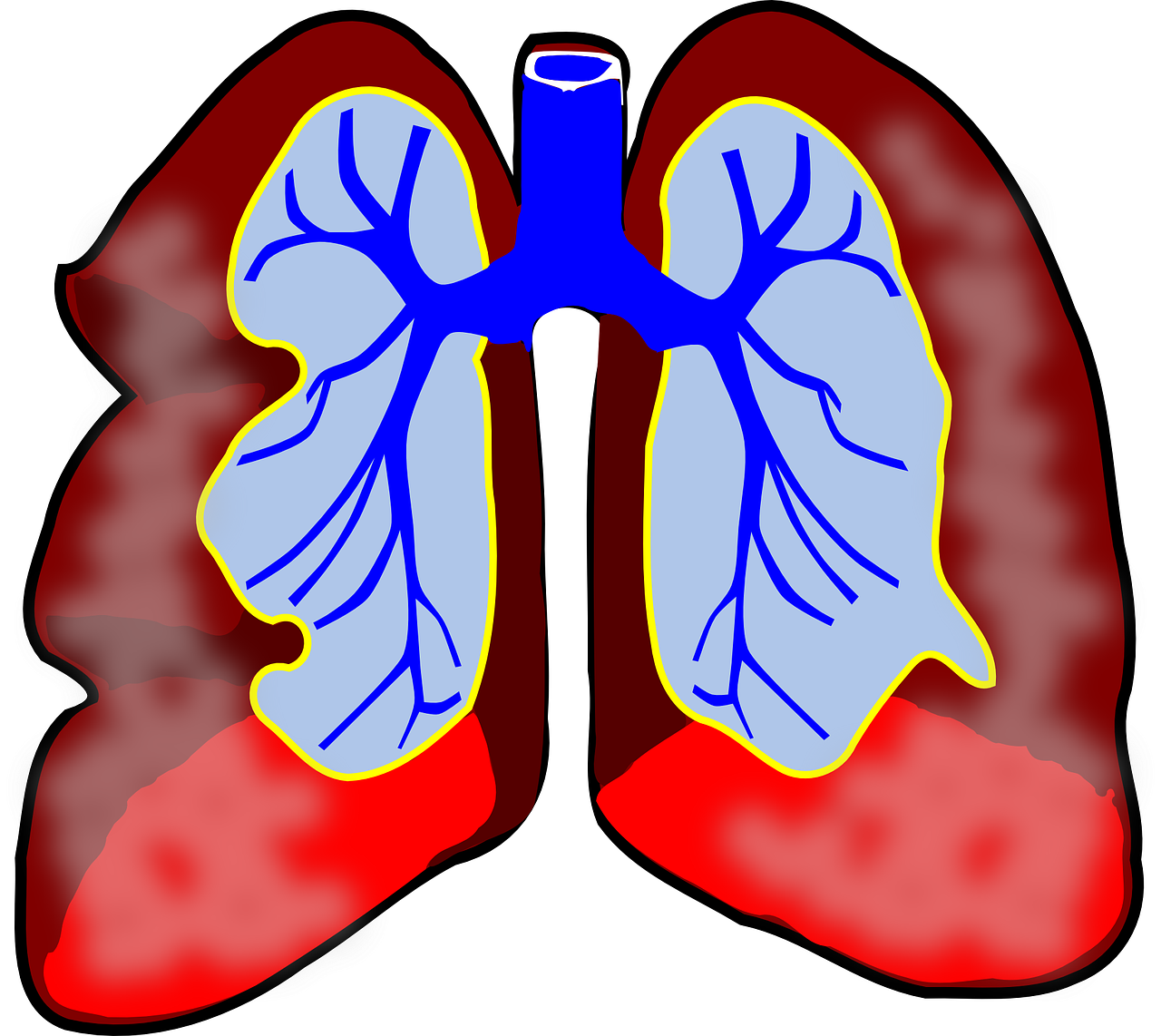
Breathing techniques work on the body. That is why they matter.
How Breathing Influences Anxiety
During anxiety, breathing often becomes:
-
shallow
-
fast
-
chest-based
-
irregular
This pattern can change carbon dioxide levels in the blood and increase sensations such as:
-
lightheadedness
-
chest tightness
-
air hunger
-
tingling
Those sensations can then be interpreted as danger, which increases anxiety.
Slowing the breath can interrupt this cycle.
However, forcing slow breathing when the nervous system is already highly activated can increase fear, especially in people prone to panic.
Anxiety, Panic, and Overload Require Different Tools
Breathing techniques are not interchangeable across states.
Mild to Moderate Anxiety
You feel tense, restless, or worried.
Breathing techniques are often helpful here.
Panic
You experience a sudden surge of fear, racing heart, dizziness, or fear of losing control.
Breathing must be used cautiously and gently.
For a deeper explanation, see ADHD and Panic Attacks.
Sensory or Cognitive Overload
You feel overstimulated, irritable, or shut down.
Reducing stimulation often helps more than breath focus.
If you are unsure which state you are in, start with grounding before changing your breath.
When Breathing Techniques Are Most Helpful for ADHD Women
Breathing techniques tend to help when:
-
anxiety is building gradually
-
you are not already panicking
-
the practice is familiar and non-effortful
-
they are used preventively
They are less helpful when:
-
you are already hyperventilating
-
you feel pressure to “do it correctly”
-
focusing on breath amplifies body sensations
-
you have a history of panic and are practicing without guidance
This variability is expected in ADHD nervous systems.
Technique 1: Gentle Diaphragmatic Breathing
This is not about taking bigger breaths.
It is about allowing the breath to move lower without forcing it.
How to practice
-
Sit or lie comfortably
-
Place one hand on your belly
-
Allow the inhale to gently expand the belly
-
Exhale slowly without pushing
-
Keep the breath comfortable and natural
Practice for 3–5 minutes when calm.
This supports steadier breathing patterns over time and may reduce baseline tension.
If focusing on breath increases anxiety, stop. That response provides useful information.
Technique 2: Extended Exhale Breathing
For many ADHD women, lengthening the exhale is more regulating than deep inhalation.
How to practice
-
Inhale gently for a count of 4
-
Exhale slowly for a count of 6
-
Keep the breath light and unforced
Longer exhales can reduce sympathetic activation and support a calmer physiological state.
Avoid breath holding if it increases discomfort.
Technique 3: Box Breathing (With ADHD-Specific Modifications)
Box breathing uses equal counts for inhale, hold, exhale, and hold.
For ADHD women:
-
shorter counts are often better
-
breath holds can be skipped
-
rhythm matters more than precision
This approach can be helpful for situational stress or work-related anxiety.
If breath holding increases anxiety, remove it.
Technique 4: Coherent (Resonant) Breathing
Coherent breathing involves breathing at a steady rhythm of about 5–6 breaths per minute.
Research suggests this rhythm may improve heart rate variability, which is associated with emotional regulation capacity.
This technique is best used:
-
as a daily practice
-
outside of panic episodes
-
as part of baseline nervous system support
Technique 5: Alternate Nostril Breathing
Some studies suggest alternate nostril breathing may support calmness.
However:
-
research quality varies
-
breath holding can increase anxiety
-
sensory focus may feel uncomfortable
This technique is optional and not required for regulation.
Hormones, ADHD, and Breathing Sensitivity
Many ADHD women experience increased anxiety:
-
during the luteal phase
-
with PMDD
-
during perimenopause or menopause
During these times, breath sensitivity can increase. Techniques that usually feel helpful may feel uncomfortable.
This reflects hormonal effects on the nervous system, not loss of skill.
For more detail, see Hormones, ADHD, and Anxiety in Women.Hormones, ADHD, and Anxiety in Women
If Breathing Increases Anxiety
Stop.
Breathing is one regulation tool, not a requirement.
Many ADHD women benefit first from:
-
reducing sensory input
-
stepping outside
-
gentle movement
-
temperature change
-
grounding through touch
Breathing can be reintroduced once the system settles.
What Makes Breathing Techniques Actually Useful
They work best when:
-
practiced regularly in low-stress moments
-
used flexibly
-
paired with other regulation strategies
-
not treated as a cure
Breathing supports nervous system steadiness. It does not eliminate anxiety on its own.
For a broader understanding, see ADHD and Anxiety in Women.
Research Notes
-
ADHD is associated with higher rates of anxiety disorders in adulthood.
-
Emotional dysregulation is a core feature of ADHD.
-
Breathing patterns influence autonomic nervous system activity.
-
Heart rate variability is linked to regulation capacity and stress resilience.
-
Research on breathing techniques varies in quality; individual response matters.
Frequently Asked Questions
Can breathing techniques stop panic attacks in ADHD?
They may help some people, but they can also increase distress during panic. Gentle approaches and grounding are often safer first steps.
Why does focusing on my breath make me anxious?
Interoceptive sensitivity and panic history can make internal focus uncomfortable. This is common in ADHD.
Should ADHD women practice breathing every day?
Short, gentle daily practice can support regulation. It should not feel effortful or pressured.
Breathing is one way to support regulation, but it is not the only option. For additional tools that support emotional regulation in ADHD women, see Emotional Regulation Techniques for ADHD.
Disclaimer
This content is for educational purposes only and is not a substitute for professional medical or mental health care. If you experience severe anxiety, panic attacks, or breathing difficulties, consult a qualified healthcare provider.
