Understanding Delayed Sleep Phase Syndrome (DSPS) and Its Connection to ADHD
Understanding Delayed Sleep Phase Syndrome (DSPS) in ADHD Women
If you are an ADHD woman who has always struggled with sleep timing, you may be dealing with Delayed Sleep Phase Syndrome, not poor sleep habits or lack of discipline.
Many ADHD women feel exhausted but cannot fall asleep until very late. Mornings feel brutal, no matter how hard they try to “go to bed earlier.” Over time, this mismatch is often blamed on motivation, routines, or screen use. In reality, there may be a biological reason.
This article explains what Delayed Sleep Phase Syndrome is, how common it is in ADHD, how it tends to show up in women, and how to recognize whether it may apply to you.
What Is Delayed Sleep Phase Syndrome?
Delayed Sleep Phase Syndrome (DSPS) is a circadian rhythm sleep disorder.
Circadian rhythm refers to your internal biological clock. It controls when your body feels alert and when it feels ready for sleep.
With DSPS, this internal clock runs later than expected. Sleepiness does not arrive at conventional times. Waking up early feels physically difficult, even after adequate sleep.
People with DSPS often:
-
Do not feel sleepy until very late at night
-
Sleep best when allowed to follow a later schedule
-
Feel misaligned with standard work or school hours
This is not insomnia. The body can sleep well — just at a different time.
How Common Is DSPS?
In the general adult population, DSPS is estimated to affect about 0.13% to 0.17% of adults. Many cases go unrecognized because symptoms are often labeled as lifestyle choices.
DSPS is more common in adolescents and young adults. Studies suggest 7% to 16% of teenagers experience delayed sleep timing, partly due to biological shifts during puberty.
Among people with ADHD, DSPS and other circadian rhythm differences are much more common.
Research shows that a large percentage of adults with ADHD report sleep disorders, and delayed sleep timing is one of the most frequently observed patterns. This overlap suggests a strong link between ADHD and circadian rhythm regulation.
How DSPS Often Shows Up in ADHD Women
In ADHD women, DSPS often looks like a long history of being “out of sync” with expectations.
Common experiences include:
-
Being most alert late at night
-
Feeling foggy or unwell in early mornings
-
Struggling with jobs or school that require early start times
-
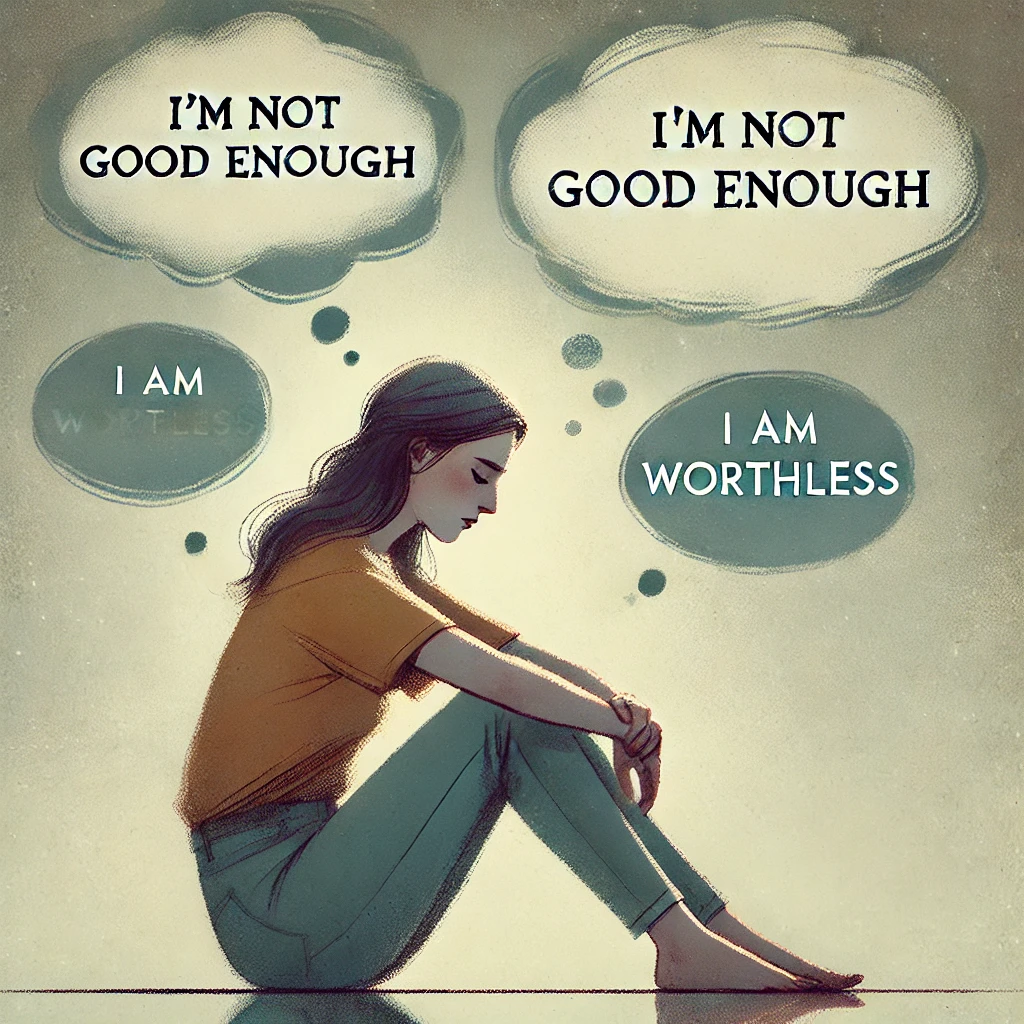
Being labeled lazy, unmotivated, or undisciplined around sleep
-
Functioning well when allowed to follow a later schedule
Many ADHD women internalize shame around this pattern before learning there is a biological explanation.
Why DSPS Is Often Missed or Misinterpreted
DSPS is frequently misunderstood as:
-
Poor sleep hygiene
-
Screen overuse
-
Anxiety-driven insomnia
-
Lack of routine
-
Resistance to structure
For ADHD women, this misinterpretation can be especially harmful. Years of trying to force an early schedule often lead to chronic sleep deprivation, worsening attention, mood, and emotional regulation.
DSPS is not about refusing to sleep. It is about when the body is capable of sleeping.
DSPS, Mental Health, and Misalignment Stress
Living out of sync with your biological clock can increase stress over time.
ADHD women with DSPS often experience:
-
Chronic exhaustion
-
Increased anxiety or low mood
-
Reduced performance despite effort
-
Ongoing self-criticism around sleep
These effects are not caused by DSPS itself, but by repeated misalignment between biology and environment.
Thinking Differently About Schedules and Accommodation
For some ADHD women, the most supportive approach is not forcing an earlier bedtime, but recognizing biological timing.
This may include:
-
Later work or school schedules when possible
-
Flexible start times
-
Remote or asynchronous work
-
Scheduling demanding tasks during peak alert hours
These are not “special preferences.” They are accommodations for circadian differences.
When to Consider Professional Evaluation
You may want to explore formal evaluation if:
-
You consistently cannot fall asleep until very late
-
You sleep well when allowed to follow your natural timing
-
Early schedules significantly impair functioning
-
Sleep problems have been present for many years
-
Effort-based sleep advice has repeatedly failed
A sleep-informed clinician can help differentiate DSPS from other sleep disorders and guide next steps.
How DSPS Fits Into the Bigger ADHD & Sleep Picture
Delayed Sleep Phase Syndrome is one of several sleep patterns that commonly affect ADHD women.
Other factors — including arousal regulation, hormones, sensory processing, medication effects, and caregiving load — often interact with circadian timing.
Understanding DSPS can be a turning point. It helps shift sleep difficulty from a personal failure narrative to a biological one, opening the door to more appropriate support.
learn more about delayed sleep syndrome here