ADHD and Shame: The Weight You Were Never Supposed to Carry
By Kristen McClure, MSW, LCSW | Neurodivergent-affirming therapy for women
It is not the ADHD that breaks most women. It is the story that gets built around it.
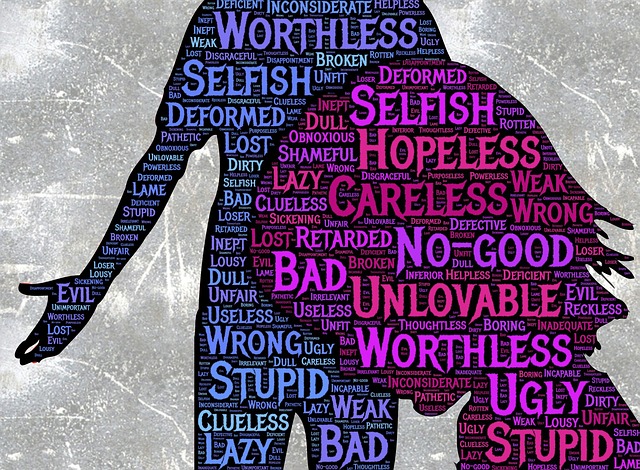
The lost item, the missed deadline, the thing you forgot again — each one may be manageable on its own.
What becomes hard to manage is years of being told those moments mean something about who you are: careless, irresponsible, not trying hard enough, too much, or not enough.
ADHD can create experiences that the world often misreads as character flaws. Over time, many women absorb that message. Shame becomes the story they tell themselves before anyone else has a chance to speak.
If you are a woman with ADHD, shame may be part of your experience, even if you have never named it that way.
What ADHD Shame Actually Is
Shame is different from guilt.
Guilt says, “I did something wrong.”
Shame says, “I am something wrong.”
Guilt is connected to a specific situation. It can often be repaired by making amends, taking responsibility, or changing what happens next.
Shame is broader. It attaches to identity. It is less about what you did and more about what you believe you are.
ADHD shame builds over time. One criticism usually does not create it. Years of feedback can.
Teachers, parents, partners, employers, and repeated misunderstandings can all leave messages behind. Over time, the internal critic may begin to repeat them.
Those messages can become beliefs:
This belief does not stay quietly in the background.
It can show up at the beginning of a new task, a new relationship, or a new attempt.
It is the voice that says, “You will mess this up like you always do,” before you have even started.
It is one reason many ADHD women have trouble accepting a compliment. Instead of letting it land, they may brace for the moment when disappointment comes next.
Where ADHD Shame Comes From
Shame does not develop in isolation. It develops in relationships. It grows through messages from people who matter, and through environments that repeatedly communicate that the way you are is not acceptable.
For many women with ADHD, shame begins early.
Recent research fits that clinical picture. A 2026 systematic review found that adults with ADHD report public stigma, self-stigma, negative self-image, and fear of judgment, while a 2025 study of women diagnosed later in life described years of internalized criticism, guilt, shame, and low self-esteem before diagnosis. These studies do not mean every woman with ADHD develops shame. They do show that stigma and misunderstanding are not minor side issues. Read the stigma review and the study of women with undiagnosed ADHD.
Childhood correction before ADHD diagnosis
Before an ADHD diagnosis — sometimes decades before a diagnosis — a child with ADHD may be seen as the child who cannot sit still, loses things, does not finish, talks too much, or forgets.
The correction can be constant. Often, it comes from well-meaning people who do not understand what they are seeing.
The child may not learn that attention, memory, organization, or emotional regulation are genuinely harder for her. Instead, she may learn that the difficulty reflects something wrong with her character or effort.
The “bright but” feedback loop in ADHD girls
Girls with ADHD are often told they are smart but not trying, capable but not applying themselves, talented but wasting their potential.
This framing is damaging because it removes the explanation. If you are capable, then the only reason you are struggling must be that you are choosing not to try.
The child who hears this often learns to believe it.
ADHD masking and the cost of success
Some ADHD girls compensate so well that their struggles become invisible.
They succeed, but with enormous hidden effort. They may receive praise for results that required much more work than anyone realized.
This can create a specific kind of ADHD shame: the shame of knowing that the competent person others see does not match how hard things feel inside, and the fear that one day people will find out.
Adolescence, friendship, and ADHD shame
The social world of adolescence can make ADHD traits more visible.
An impulsive comment may damage a friendship. Forgotten plans may be taken as proof that you do not care. A romantic relationship may end because you were seen as “too much.”
Each experience can become evidence in the case against yourself.
Adult ADHD and the higher stakes of daily life
In adulthood, ADHD can affect more areas of life: jobs, finances, relationships, parenting, home management, and health care.
The consequences become more visible.
For many ADHD women, shame grows as the stakes get higher.
What ADHD Shame Looks Like
Shame in ADHD women is not always easy to see. Many women carry it quietly. It may look like perfectionism, joking about yourself, avoiding things, apologizing too much, or having trouble taking in praise.
ADHD perfectionism and shame
Perfectionism can be one way to manage shame.
If you do everything perfectly, there is less room for criticism.
Many ADHD women become perfectionists because mistakes have felt unsafe. They may not be chasing excellence. They may be trying to avoid being judged, corrected, or exposed.
This is exhausting. Perfectionism takes a lot of energy because it has to be maintained all the time.
Self-deprecation and ADHD shame
Some ADHD women make fun of themselves before anyone else can.
They may joke about being forgetful, messy, late, scattered, or bad at texting.
This can look like humor. Sometimes it is also protection. If you say it first, you may feel more in control of what others notice.
Avoidance, ADHD task initiation, and fear of failure
Shame can make starting harder.
A report, a job application, a message to a friend, or a hard conversation may feel loaded before you begin.
Part of the problem may be ADHD task initiation difficulty. Part of it may be fear of failing, disappointing someone, or feeling humiliated.
Often, both are happening at the same time.
The ADHD apology reflex
Many ADHD women apologize often.
They may apologize for needing help, asking a question, taking time to respond, forgetting something, or needing things done differently.
Sometimes the apology is a way to get ahead of criticism.
If I apologize first, maybe the other person will be less upset.
Difficulty accepting compliments or positive feedback
Shame can make positive feedback hard to receive.
A compliment may not feel safe. It may feel like pressure, a mistake, or something that will be taken back later.
Many ADHD women deflect praise. They explain it away. They point out what they missed. They wait for the person to change their mind.
Hyperresponsibility and overcompensation in ADHD women
Some ADHD women try to outrun shame by doing more.
They care more, prepare more, explain more, and take responsibility for more than their share.
This can make them look capable from the outside. Inside, they may feel tired, tense, and unable to rest.
Rest can feel uncomfortable when ADHD shame has taught you that stopping means you are failing.
How Shame Can Make ADHD Harder to Manage
Shame is not just part of the ADHD experience. It can make ADHD harder to manage.
Shame can trigger a stress response
The body can experience shame as a threat.
A mistake, criticism, or difficult task can activate shame quickly. The nervous system may respond with stress. This can make executive function worse, not better.
The task you are trying to do becomes harder when shame is added to it.
Shame makes it harder to ask for help
Asking for accommodations, asking a partner for support, or telling a clinician what is really happening can feel exposed.
For many ADHD women, asking for help means revealing the parts of themselves they already feel ashamed of.
Shame can keep women suffering quietly, even when support exists and could help.
Shame adds a second problem to ADHD
The task may already be hard.
When self-judgment, self-criticism, and fear of humiliation are added, the task can start to feel impossible.
Many women with ADHD spend more energy managing shame around a task than doing the task itself.
Shame is a poor long-term motivator
Shame does not create the change it promises.
Self-criticism, self-punishment, and shame are not reliable tools for sustained behavior change. They often lead to avoidance, shutdown, and more shame.
The inner critic may sound like it is trying to help. It is usually making the problem harder.
Healing ADHD Shame
Shame does not usually heal through willpower or reassurance.
It heals when your experience is seen more accurately — by you and by safe others — without adding more judgment.
This takes time.
Understanding ADHD shame more accurately
Knowing that ADHD is a neurological difference is an important starting point.
ADHD is not a character flaw. It is not proof that you are careless, lazy, irresponsible, or not trying hard enough.
But knowing this intellectually is not always enough.
Many women with ADHD can say, “I know it is not my fault,” while still feeling deep down that it is.
The understanding often comes first. The felt sense of not being defective can take longer.
Both matter.
Naming where the shame came from
It helps to ask where the shame came from.
Which voices shaped it?
Which moments stayed with you?
Which messages became the inner critic?
The inner critic is not your original voice. It is often a learned voice. It may come from people who misunderstood ADHD, missed what was happening, or assumed behavior was character.
Separating yourself from that voice is part of healing ADHD shame.
Practicing self-compassion
Self-compassion is not a feeling you have to achieve.
It is a practice you return to.
It means relating to your own struggle with less attack and more accuracy. It means you do not have to be doing better before you are allowed to be kind to yourself.
You would likely offer understanding to a friend who forgot something important, struggled with a hard task, or felt overwhelmed when her attention, memory, or capacity was not cooperating.
That same understanding belongs to you too.
Finding community and recognition
Shame grows in secrecy.
When another ADHD woman describes something you thought was only yours — the hidden effort, the crash after socializing, the fear of being found out, the struggle you rarely admit — the shame can loosen.
Recognition matters.
What once felt like evidence that something was wrong with you can begin to feel like evidence that you were never alone with it.
What Helps ADHD Shame Heal
Shame tends to loosen when you can identify it accurately, stop treating it as evidence about your character, and build supports that fit how your brain actually works.
Catch Shame Before It Becomes Fact
Start by learning to identify shame in real time.
It helps you notice the specific thoughts that show up:
“I always do this.”
“I am so stupid.”
“They are going to find out.”
The work is to recognize these thoughts as shame, not fact.
Respond With Accuracy, Not Attack
Self-compassion can be one useful way to work with shame.
This is not positive thinking or affirmation. It is the practice of relating to your own pain and struggle with more care and less attack.
It means offering yourself the same understanding you would offer someone you love.
ADHD-specific research is still limited, but a 2025 study of 32 adults with ADHD found that higher self-compassion was strongly associated with better ADHD-related quality of life. Because the study was cross-sectional, it cannot show that self-compassion caused the improvement, but it supports taking self-judgment seriously as part of the clinical picture. Read the study.
Use Supports Without Turning Them Into Evidence Against Yourself
Accommodations can change the relationship between ADHD and shame.
Accommodations are legitimate supports. They are not cheats, excuses, or signs of failure.
Using a body double is not an admission of failure. Building extra time into your schedule is not proof that you are inadequate. Designing your environment to support your actual nervous system is not giving up.
It is giving yourself what you need to function.
Ask for What Helps
Part of healing shame is learning to make your needs known, even when that feels exposing.
For many ADHD women, asking for accommodations at work can feel exposing. It may feel like admitting struggle, weakness, or failure.
That is shame talking.
Self-Advocacy helps you separate the need for support from the belief that needing support means something is wrong with you.
Reduce What Makes Shame Louder
Basic care matters because physical depletion can make shame easier to trigger.
Sleep deprivation, sensory overload, and chronic stress can all make shame easier to activate.
When your nervous system is more regulated and resourced, the inner critic often has less power.
Self-care is not self-indulgence. It is part of maintaining the conditions that help you function.
Frequently Asked Questions
ADHD shame often develops over years of feedback. Childhood correction, school struggles, social mistakes, and adult consequences may be interpreted as proof of character failure rather than signs of a neurological difference. Many women with ADHD learn to mask, internalize, and treat their ADHD struggles as personal failures instead of recognizing the mismatch between their nervous system and the environments they were expected to function in. By the time many women receive an ADHD diagnosis, the shame may already be decades old.
They overlap, but they are not the same. Low self-esteem is a general negative view of yourself. Shame is more specific and more physical. It can feel like wanting to hide, disappear, or keep parts of yourself from being seen. Many women with ADHD experience both low self-esteem and ADHD shame, and they can reinforce each other. Addressing one without the other may not be enough.
Shame activates the nervous system’s stress response, which can make executive function worse. These are the same skills already affected by ADHD. Tasks that are already hard become harder when shame is present. Shame can also lead to avoidance, isolation, and perfectionism. You may avoid starting the task, avoid asking for help, or overwork to prevent criticism. Each of these creates more stress on top of ADHD.
Yes. For many women with ADHD, this can be some of the most important work. Neurodivergent-affirming therapy understands ADHD as a nervous system difference, not a character flaw. It gives you a place to look at the shame, understand where it came from, and build a different relationship with it. This work takes time, but it can change things in a way that understanding alone often does not.
ADHD perfectionism is often driven by shame rather than achievement. It is not about loving excellence. It is about using excellence as protection from criticism or exposure. The thought is: if I do everything perfectly, there will be nothing to criticize. The problem is that shame-driven perfectionism is never satisfied. The real goal is not the work. The real goal is protection, and protection never feels complete.
The shame you carry about your ADHD is not evidence that something is wrong with you. It is evidence that, for a long time, you were given the wrong explanation for a real neurological difference. That explanation often came from people with enough authority that you believed it. You do not have to keep believing it.
Continue Exploring
- ADHD in Women — the complete picture
- Neurodivergent-Affirming Therapy
- Rejection Sensitive Dysphoria
- ADHD Masking in Women
- ADHD and Self-Esteem
- ADHD Perfectionism
- ADHD Burnout in Women
- Late ADHD Diagnosis in Women
- ADHD and Trauma in Women
- ADHD and Relationship Abuse
Therapy for ADHD and Shame
If ADHD shame keeps showing up as self-criticism, perfectionism, hiding, overworking, or fear of being found out, therapy can help you understand where that story came from and build a more accurate one. I work with women with ADHD across North Carolina and South Carolina via secure telehealth.
