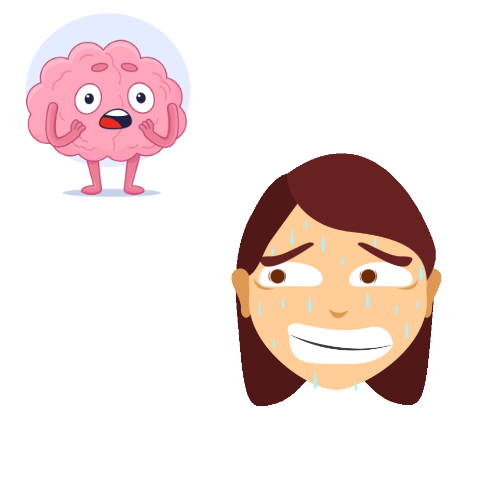
You know the task matters.
You may have been thinking about it for days.
You may want to do it.
You may even feel worried about not doing it.
And still, you cannot seem to begin.
This is one of the most frustrating patterns for ADHD women. From the outside, it can look like avoidance or poor follow-through. From the inside, it often feels like being stuck while pressure and self-criticism build.
ADHD procrastination is not simply putting things off. It is usually connected to executive functioning, especially task initiation, planning, emotional regulation, and time awareness.
What ADHD Procrastination Actually Is
Procrastination in ADHD women often means difficulty starting, continuing, or finishing a task even when it matters.
It can look like:
- doing other things instead of the task
- researching or preparing without beginning
- organizing without following through
- freezing and doing very little at all
This is why it can feel confusing. The issue is usually not whether you care. The issue is that your brain is not shifting into action in a consistent way.
Why Procrastination Is So Common in ADHD Women
ADHD affects executive functioning. These are the mental skills that help a person begin, organize, shift attention, estimate time, and follow through.
When those systems are strained, even simple tasks can feel difficult to approach.
Several patterns tend to drive procrastination.
Task Initiation Problems (ADHD Task Paralysis)
Many ADHD women do not struggle because they do not know what to do. They struggle because they cannot get themselves to begin.
You may sit down and get up again.
You may open something and close it.
You may think about the task for hours without starting.
This is often called task paralysis or ADHD freeze.
→ Learn more about ADHD task paralysis and difficulty starting tasks
Interest-Based Activation
ADHD brains often respond more strongly to interest, novelty, challenge, or urgency than to importance alone.
You may be able to focus deeply on something engaging, but feel completely stuck with something repetitive or not yet urgent.
This is not a motivation problem. It is an activation pattern.
Overwhelm
Some tasks feel too big, too vague, or too layered.
If the brain cannot tell where to start, the whole task can feel unapproachable.
→ Learn more about ADHD overwhelm and why tasks feel too big
Perfectionism
Many ADHD women develop high internal standards after years of trying to compensate or avoid mistakes.
If something has to be done the right way, it becomes harder to begin at all.
→ Learn more about ADHD perfectionism in women
Time Blindness
If it is unclear how long something will take, when to begin, or how much time is available, it is easier to delay.
A short task can feel endless. A large task can be underestimated.
→ Learn more about ADHD time blindness
Emotional Load
Some tasks carry emotional weight.
They may involve conflict, uncertainty, rejection, or past negative experiences.
The task is not only practical. It is emotional, and that makes starting harder.
What Task Paralysis Looks Like
Task paralysis is the experience of being unable to start even when you want to.
This may look like:
- circling the task without beginning
- doing small adjacent tasks instead
- waiting until pressure builds
- staring at the task and feeling stuck
- thinking about it all day without acting
- feeling overwhelmed and then shutting down
This is why “just start” is not helpful advice. You already know starting would help. The problem is that your brain is not giving you a clear entry point.
What ADHD Procrastination Is Not
It is not proof that you do not care.
It is not a character issue.
It is not solved by being harder on yourself.
Many ADHD women have already tried pushing, judging, or criticizing themselves. That tends to increase stress and reduce follow-through.
What Makes ADHD Procrastination Worse
Some common patterns increase difficulty:
Waiting to feel ready
The right mood or energy may not come on its own.
Keeping the task too big or vague
If the starting point is unclear, the brain does not engage.
Adding self-criticism
Shame increases dysregulation. It does not improve activation.
Giving yourself more time without more structure
Open time often leads to more delay, not less.
Treating it as a motivation problem
Often the issue is activation, structure, or emotional load.
What Actually Helps
The goal is not to force yourself through. The goal is to make starting easier.
Make the First Step Extremely Small
Do not start with “finish the task.”
Start with something like:
- open the document
- write one sentence
- find the phone number
Lowering the entry point reduces friction.
Add External Structure
ADHD brains often need support outside of internal motivation.
Examples:
- timers
- scheduled work blocks
- written next steps
- accountability
- clear deadlines
Use Body Doubling
Starting is often easier when another person is present.
They do not need to help with the task. Their presence helps your brain shift into action.
Create Urgency on Purpose
Instead of relying on last-minute pressure, create smaller points of urgency earlier.
Examples:
- set a short deadline
- tell someone you will complete something by a certain time
- use short work sprints
Make the Task More Engaging
Boring tasks are harder for ADHD brains to activate around.
It can help to add:
- music
- movement
- a different setting
- a reward
- another person
Reduce Emotional Friction
If a task feels heavy, pause and ask:
- What about this feels difficult?
- Am I unsure what to do?
- Am I worried about doing it wrong?
Sometimes the block is emotional, not practical.
Build ADHD-Friendly Systems
Procrastination improves when systems match how your brain works.
This may include:
- fewer decisions
- visible reminders
- simpler routines
- smaller steps
- shorter work periods
Consider Treatment Support
Medication can improve activation for many people.
Therapy can help address executive functioning, emotional patterns, and long-standing self-criticism in a more effective way.
Why This Matters for Women with ADHD
Many ADHD women spend years being misunderstood.
They may be seen as inconsistent or capable but not following through. They may work hard to appear organized while struggling privately to begin even simple tasks.
Over time, this often leads to shame.
Understanding procrastination clearly changes that. It shifts the focus from self-blame to understanding what is happening and what kind of support is actually needed.
The Bottom Line
ADHD procrastination in women is usually not about effort.
It is more often about task initiation, overwhelm, perfectionism, time awareness, and emotional load.
When you understand that, the question changes.
Instead of asking:
Why can I not make myself do this?
You can begin asking:
What does my brain need in order to start?
ADHD Therapy for Women
If procrastination, task paralysis, or executive functioning difficulties are affecting your work or daily life, therapy can help.
I am Kristen McClure, LCSW. I provide neurodivergent-affirming therapy for ADHD women in North Carolina and South Carolina.
My work focuses on helping women understand what is happening, reduce shame, and build systems that support how their brains function.
You can learn more about ADHD therapy, or explore related pages on executive functioning, time blindness, perfectionism, and ADHD burnout.
Medical information obtained from this website is not intended as a substitute for professional care. If you have or suspect you have a problem, you should consult a healthcare provider.
