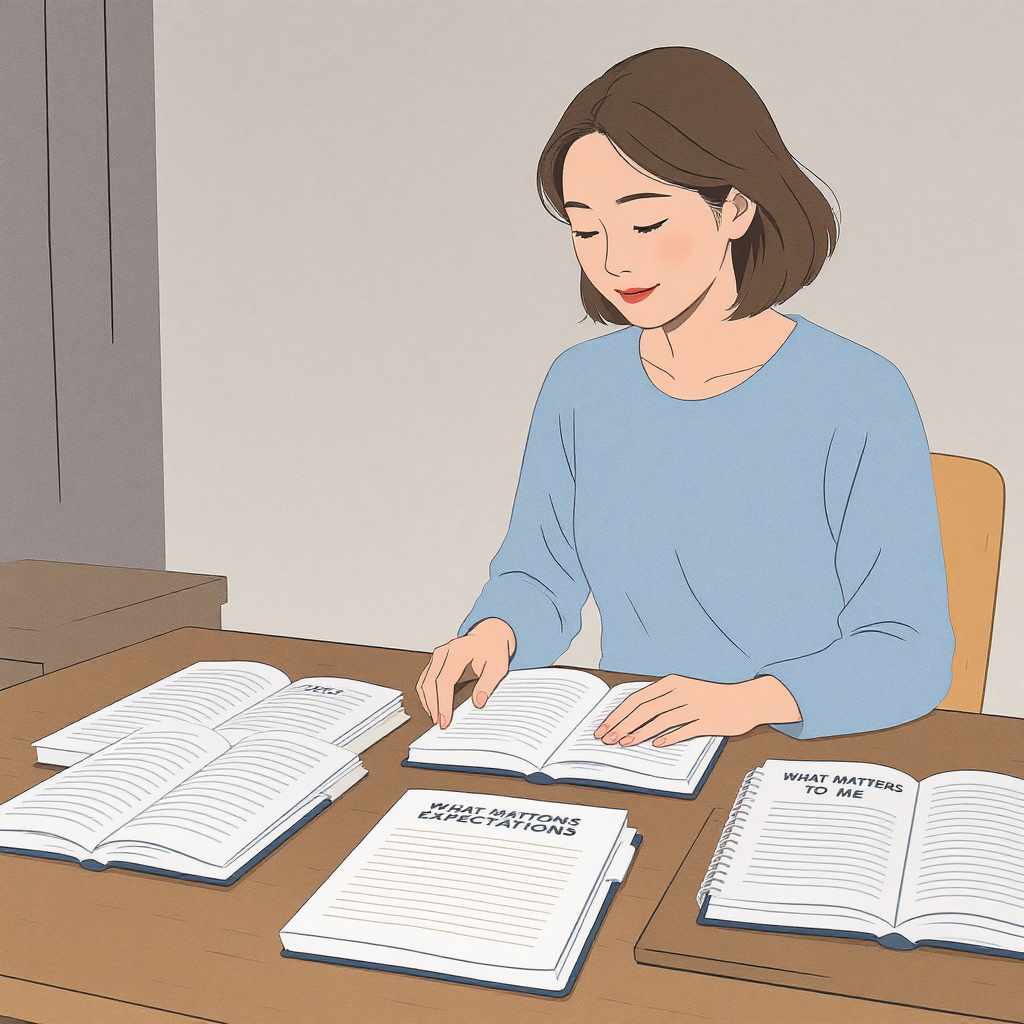
Work can be a place of meaning, creativity, and connection — or a constant source of stress. For many ADHD women, the difference depends on how well the environment understands their brains.
ADHD women often struggle at work not because they are incapable, but because many workplaces are built around neurotypical attention, communication, and energy patterns.
When workplaces value flexibility, clarity, and psychological safety, ADHD women can do exceptional work. When those things are missing, stress, shame, and burnout quickly follow.
This page is primarily for ADHD women trying to understand why work feels so hard, though it may also help employers, advocates, and colleagues create environments that work better for everyone.
Why ADHD Women Struggle at Work
Workplaces are usually designed for neurotypical attention and energy patterns. That means traditional systems — strict schedules, open offices, constant multitasking — often exhaust ADHD brains.
For many women, workplace stress is intensified by years of masking, overcompensating, and trying not to appear disorganized, emotional, or unreliable.
Common challenges include:
Executive functioning load. Planning, prioritizing, and shifting between tasks take more mental effort.
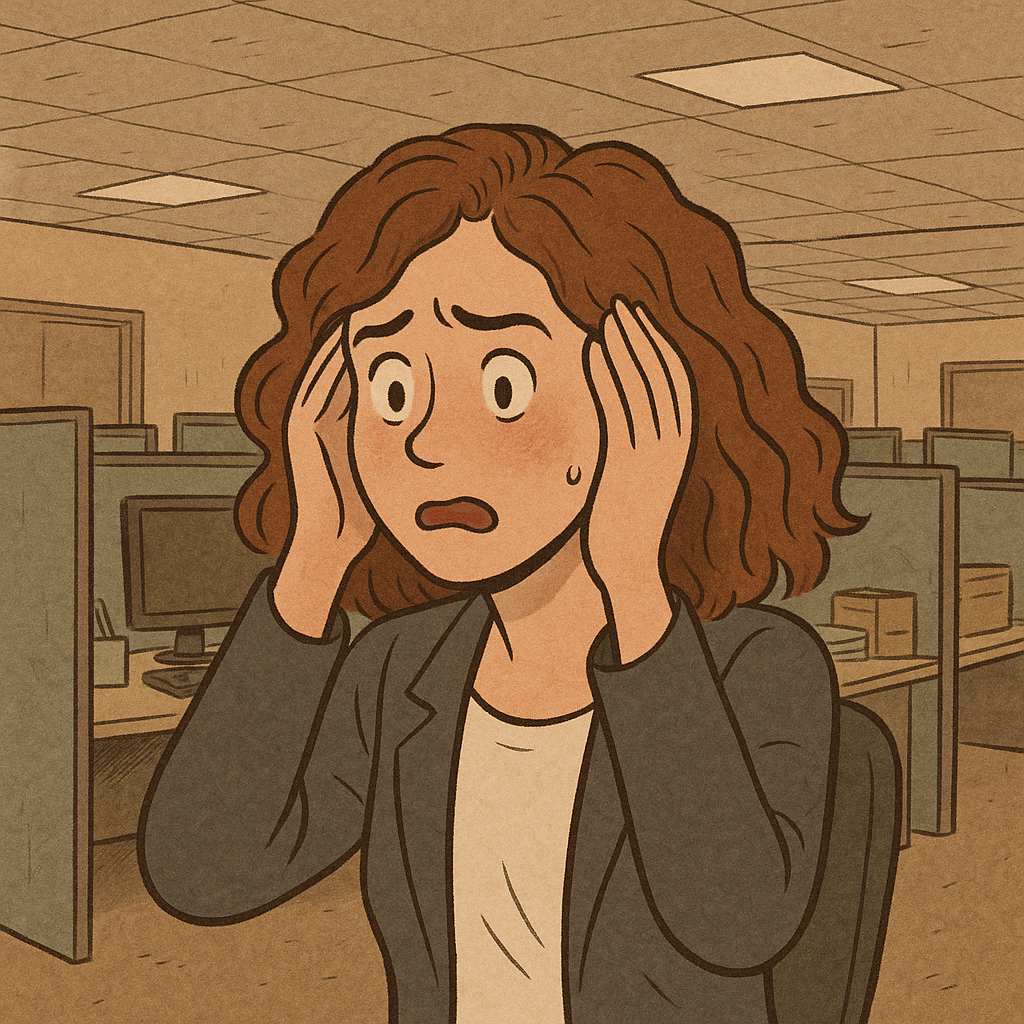
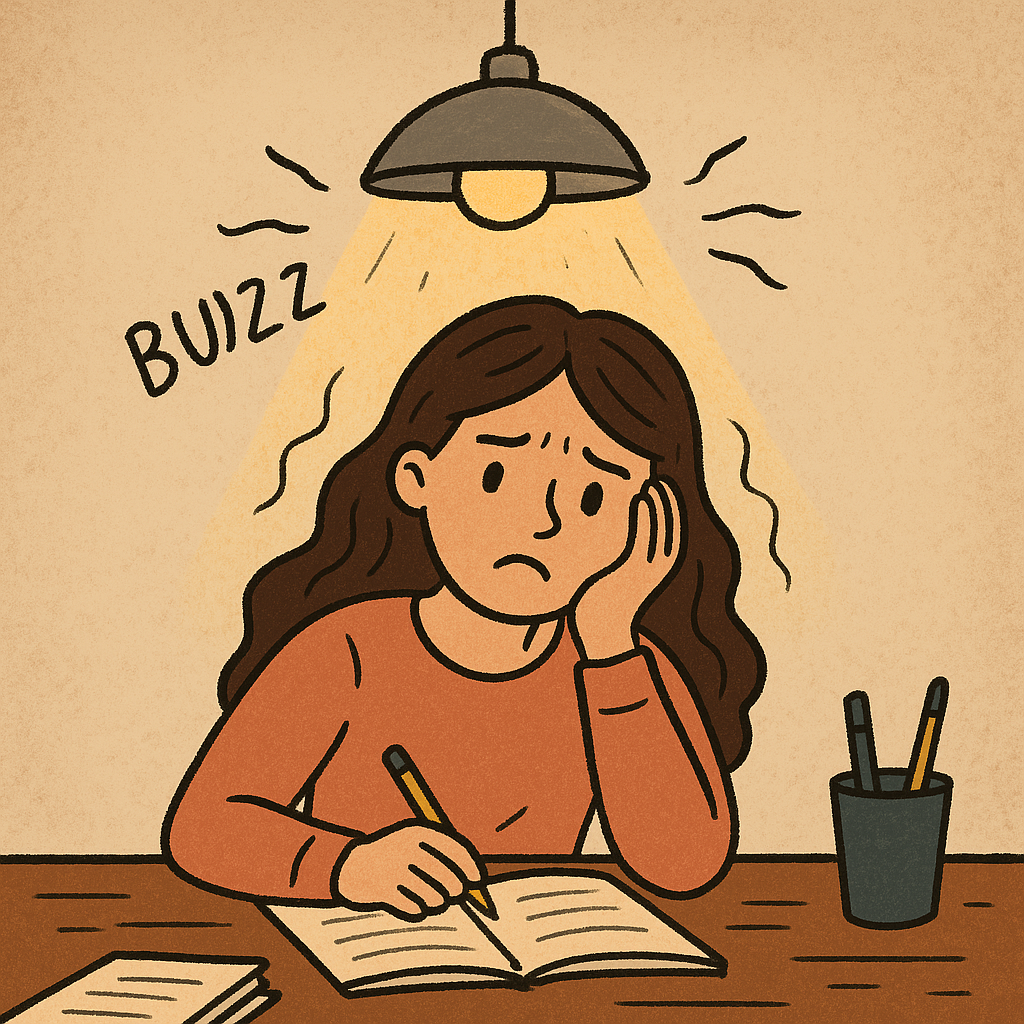
Sensory overwhelm. Noise, lighting, or interruptions can drain energy and attention.
Time perception differences. Deadlines may sneak up suddenly, even with the best intentions.
Feedback sensitivity. Many ADHD women experience strong emotional reactions to criticism or misunderstanding.
Chronic masking. Trying to appear “focused” or “organized” all day creates anxiety and fatigue.
Open offices and constant noise can heighten stress for ADHD women.
These struggles are not signs of laziness or weakness. They are predictable outcomes of environments built without neurodiversity in mind.
What Makes a Workplace ADHD-Supportive
ADHD-supportive workplaces do not need fancy programs or big budgets. They need curiosity, flexibility, and respect for different ways of thinking.
Here are key features that make a difference:
Flexible structure. Clear expectations paired with autonomy. ADHD women thrive when goals are defined but the path is adaptable.
Psychological safety. Mistakes are treated as part of learning, not personal failure.
Sensory awareness. Quiet spaces, adjustable lighting, and remote-work options prevent overload.
Feedback that builds trust. Regular, kind, and specific feedback keeps motivation and connection strong.
Strengths-based culture. ADHD traits such as creativity, empathy, and hyperfocus are seen as assets, not flaws.
When employers create these conditions, engagement, productivity, and retention all improve — for everyone.
For practical ideas, see ADHD-Friendly Workplaces and Neurodivergent-Friendly Remote Work Environment.
How ADHD Women Can Find the Right Work Fit
For ADHD women, thriving at work often depends on alignment — not forcing yourself into roles that drain you, but choosing environments that match your brain.
- Interest matters. ADHD motivation follows stimulation. Roles with variety and creativity sustain focus.
- Values alignment. When your work reflects what you care about, it becomes easier to stay engaged.
- Supportive leadership. Managers who are flexible and compassionate make a profound difference.
- Energy awareness. Paying attention to how tasks affect your body and mind helps prevent burnout.
Learn more in ADHD and Career and Navigating Career Change.
Workplace Accommodations and Disclosure
Some women choose to disclose their ADHD at work to access accommodations; others prefer not to. Both choices are valid.
Common accommodations that support ADHD employees include:
- Flexible scheduling or remote options
- Written instructions or meeting notes
- Noise-reduction tools or quiet spaces
- Task management software
- Extra time for complex projects
For guidance, visit ADHD and Accommodation at Work: A Comprehensive Guide and How to Disclose ADHD in the Workplace.
Employers can also consult the ADA and Job Accommodation Network (JAN) for step-by-step support.
Self-Accommodations ADHD Women Often Use at Work
Some ADHD women rely on formal accommodations. Others build informal supports into their workdays. That might include blocking focus time, using written reminders, reducing unnecessary meetings, wearing noise-canceling headphones, or scheduling demanding tasks during stronger energy windows.
Self-accommodations are not cheating. They are ways of reducing friction so the brain can work more effectively.
For more support, see ADHD Self-Accommodation.
Why ADHD Women Burn Out at Work
Burnout at work often develops slowly. A woman may compensate by overpreparing, staying late, masking confusion, or pushing through overstimulation just to meet ordinary expectations.
From the outside, she may look productive. Internally, she may feel anxious, ashamed, and chronically behind.
That kind of strain is hard to sustain, especially in environments that offer little flexibility or understanding.
Read ADHD and Work Stress: Breaking the Vicious Cycle and Reducing ADHD Workplace Anxiety for strategies that help.
Addressing Bias and Microaggressions
Even subtle comments — “You’re so scattered,” “You just need to focus” — can erode confidence. Microaggressions and bias are still common for ADHD employees, especially women who mask exhaustion behind professionalism.
Reducing stigma starts with education. Employers who learn about neurodivergence create teams that are more collaborative, innovative, and loyal.
See ADHD and Workplace Gaslighting Tactics for insight into how bias appears in everyday interactions.
Strengths ADHD Women Bring to Work
When ADHD women feel safe and supported, their natural strengths shine.
- Creativity and innovation — seeing possibilities others overlook
- Empathy and intuition — reading emotional cues quickly
- Hyperfocus — deep immersion in meaningful tasks
- Adaptability — pivoting under pressure
- Resilience — recovering from challenges with insight and humor
These strengths benefit organizations as much as individuals. Learn more in Strengths of ADHD in Leadership.
When the Environment Is the Problem
If you feel constantly behind, misunderstood, or ashamed at work, that is information — not failure. You may be in an environment that conflicts with your needs.
Changing jobs, adjusting expectations, or creating self-accommodations can protect your mental health.
Read ADHD and Work Stress: Breaking the Vicious Cycle for strategies that help.
Building a Future Where Work Works for Everyone
ADHD-supportive workplaces are not a luxury — they are a reflection of real inclusion. When environments adapt to people instead of the other way around, everyone performs better.
For ADHD women, that means less shame, more confidence, and more space to use their natural intelligence and creativity.
To learn more, explore:
Medical Disclaimer: This article is intended for educational purposes only and should not be used as a substitute for medical advice, diagnosis, or treatment. Please consult your physician, psychiatrist, or another qualified healthcare professional about your specific situation, especially if you have questions about symptoms, medications, pregnancy, or treatment options.
