

Memory Loss, Menopause, and ADHD: Navigating Cognitive Changes with Self-Compassion
What This Page Covers This page focuses on memory changes ADHD women report after menopause, how these changes differ from neurodegenerative disease, and how to support cognition realistically and safely. Memory Changes After Menopause Many ADHD women report changes such as: 🔵 forgetting words mid-sentence🔵 losing track of conversations🔵 difficulty

Hormone Replacement Therapy and ADHD
What We Know, What Helps, and What to Consider What This Page Covers This page answers one question only: How does hormone replacement therapy interact with ADHD symptoms, and when might it be helpful? 🔵 This page does not recommend HRT universally🔵 This page does not promise symptom
How ADHD-C and ADHD-IA Relationships Differ: Understanding ADHD’s Impact on Romantic Dynamics
Comparing ADHD-C and ADHD-IA in Relationships: How Different ADHD Presentations Shape Romantic Dynamics ADHD, or Attention-Deficit/Hyperactivity Disorder, presents in different ways depending on an individual’s dominant symptoms. The two most common presentations in adults are ADHD-C (Combined Presentation) and ADHD-IA (Inattentive Presentation). ADHD-C (Combined Presentation) includes both inattentive symptoms (like
Are You in an ADHD-ADHD Relationship? You’re Not Alone
Introduction to ADHD-ADHD Relationships Have you ever wondered why adults with ADHD often find themselves in relationships with other people who also have ADHD? It’s not just coincidence; it’s part of a pattern called assortative mating, where people are drawn to partners with similar characteristics. This tendency to

Understanding Nighttime Anxiety in ADHD Women: Why the Sun Going Down Can Feel Overwhelming
ADHD and Nighttime Anxiety: Why Your Brain Won’t Turn Off Do you feel wide awake the moment your head hits the pillow? Racing thoughts, worries, or replaying the day’s mistakes? For many ADHD women, nighttime is when anxiety shows up the loudest. It’s not you being “bad at sleeping” —
Night Owl Tendencies in Women with ADHD: 8 Scientific Reasons for Nighttime Alertness
Are you an ADHD woman who feels like you come alive after dark? You’re not alone! Many women with ADHD experience heightened nighttime alertness, which often manifests in greater focus and creativity. Let’s explore the reasons why this happens and how you can work with—rather than against—your natural rhythms. Understanding
Healing After an ADHD Breakup: A Practical Guide
Breaking up is Hard for Everyone. Here are some Tips. Click here to learn a little about dating with ADHD Breaking up is never easy, but with ADHD, the experience can feel even more intense. ADHD often heightens emotions, making feelings of sadness, loss, and self-doubt after a breakup more

Understanding ADHD Energy Cycles: A Comprehensive Guide for Women
Managing energy with ADHD is not a straightforward task. ADHD often brings unpredictable cycles of intense focus, energy surges, and sudden exhaustion, which can make day-to-day planning difficult. For ADHD women, these energy cycles can be even more complex due to factors like hormonal fluctuations and heightened sensitivity to both
Navigating RSD and Depression: A Guide for Women with ADHD
When Rejection Sensitivity Becomes More Than a Moment Rejection Sensitive Dysphoria (RSD) is fast. Depression is slower. But when RSD episodes happen repeatedly without enough recovery, they can begin to shape mood in a more lasting way. Many ADHD women I work with do not realize
Managing RSD at Work: Feedback and Emotional Regulation in ADHD Women
Rejection Sensitive Dysphoria (RSD) at work can make feedback, performance reviews, and even small comments feel overwhelming. For ADHD women workplace evaluation often triggers rapid shame, rumination, and difficulty calming down afterward. Workplaces are built around evaluation. Performance reviews, deadlines, metrics, and informal feedback are constant. For women with
ADHD and Routine Disruptions
Many clients struggle to get their lives on track after an ADHD routine disruption. If you are feeling “off” after a big event, travel, or even a weekend that took you out of your normal routine and you are an ADHD woman, you are not alone. For many women
Establishing a Routine With ADHD Using Anchor Points
What Are Anchor Points, and Why Do They Matter? Anchor points are simple, small routines that keep you grounded during a hectic day. They’re not about forcing a rigid schedule but rather creating intentional, easy-to-keep habits at key times in your day. For ADHD brains, these routines provide stability,
“Am I Really ‘Too Much’? Celebrating the Power of Emotional Intensity in ADHD Women”
Emotional Intensity in ADHD Women Are you constantly wondering if you’re “too much” for others to handle? If you’re and ADHD women , you might feel like this question is always lurking in the back of your mind. And it makes sense. We live in a world that often labels
The Neurodiversity Paradigm: A New Way to See ADHD
The neurodiversity paradigm is reshaping how we think about ADHD. Rather than viewing it as a disorder or deficit, this approach sees ADHD as a natural variation in brain function—one that comes with both strengths and challenges. Whether you’re a parent of a child with ADHD, a loved one offering
Navigating Dating Apps with ADHD: Tips for Breaking Through Misunderstandings and Building Connections
Dating can be tricky for anyone, but for women with ADHD, it often comes with extra challenges—especially in the fast-paced world of dating apps. ADHD brains process communication differently, which can sometimes lead to misunderstandings or frustrations. However, with the right strategies, dating apps can help form meaningful connections. This
ADHD and the Open Office: Strategies, Flexibility, and Advocacy
Coping with Overstimulation in the Open Office Being ADHD in the open office can be awful. The constant noise, movement, and lack of privacy often lead to sensory overload, making it hard to stay focused. While open office designs aim to promote collaboration, they can create a chaotic environment that

ADHD and Sensory Processing: Understanding the Connection
ADHD and Sensory Processing in Women Understanding sensory sensitivity, overload, and regulation Introduction: Why Sensory Processing Matters in ADHD ADHD and sensory processing are closely connected, yet sensory differences are often overlooked or misunderstood. Sensory processing refers to how the brain notices, interprets, and responds to sensory information—what you see,
ADHD and Workplace Stress: Breaking the Vicious Cycle
Workplace stress can be a relentless cycle for ADHD women. ADHD makes you more sensitive to stress, and when workplace challenges pile up, they often trigger overload in your brain, making it harder for you to think, do your job well, and stay emotionally regulated. In my therapy practice
The Surprising Link Between ADHD and Hypermobility: What You Need to Know
Why Is This Important? Living with ADHD can feel like you’re constantly navigating restlessness, fidgeting, and challenges in controlling body movements. But did you know that ADHD is often linked to a condition called hypermobility? Many people, especially women, experience both without realizing it. Understanding this connection could be the
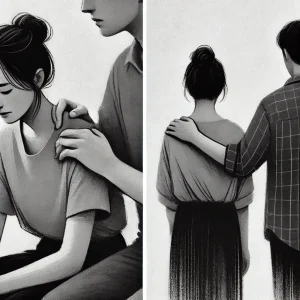
Supporting a Partner With RSD in ADHD Relationships
If your partner experiences Rejection Sensitive Dysphoria (RSD), you may notice that small moments sometimes lead to disproportionately intense emotional reactions. A delayed text, a shift in tone, or mild feedback can trigger rapid distress. What feels minor to you may feel relationally threatening to them. This does not