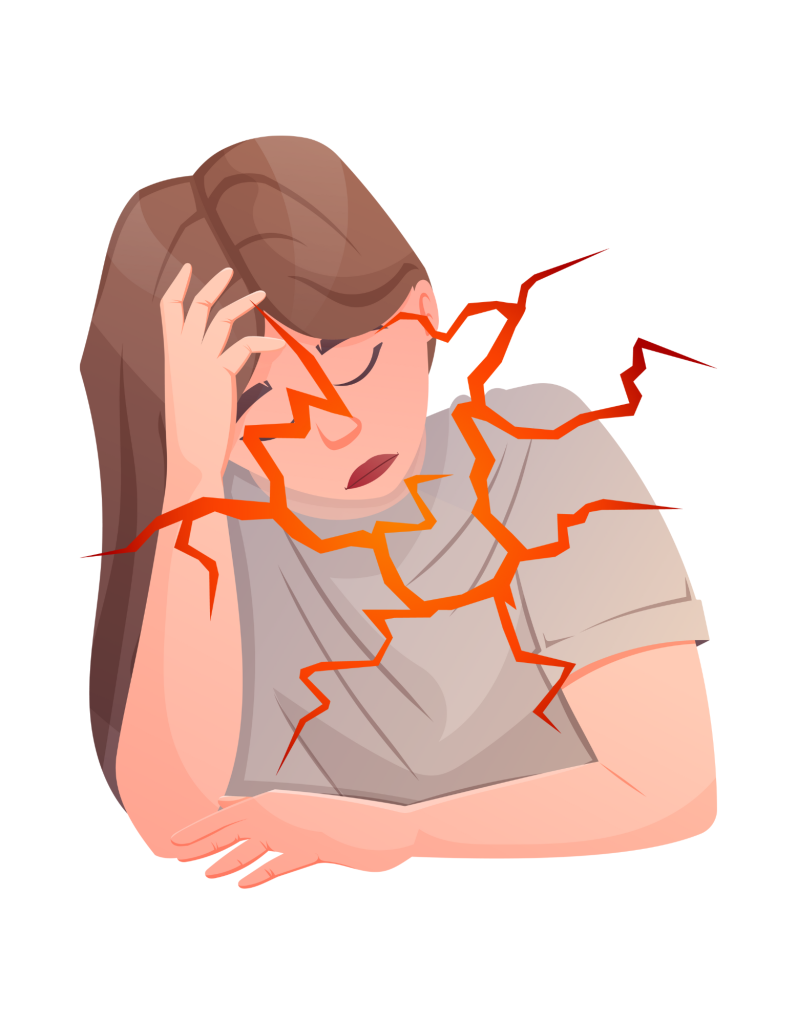
ADHD Depression and Perimenopause
This page focuses on one thing:
Why ADHD women face a higher risk of depression during perimenopause, and why it is often missed.
This page does not explain perimenopause or menopause in general.
It explains why things suddenly feel harder.Research shows ADHD women are significantly more likely to experience depressive episodes during perimenopause compared to non-ADHD women, even when prior mental health history is controlled for.
What Is Perimenopause?
Perimenopause is the hormonal transition before menopause.
It can begin in the late 30s or early 40s and last for several years.For many ADHD women, this stage does not feel gradual.
Instead, it can feel like:
🔵 Coping strategies stop working
🔵 Emotions feel harder to manage
🔵 Thinking feels slower or foggier
🔵 Everyday life suddenly feels overwhelmingThis is not a personal failure.
It is a hormonal transition interacting with an ADHD nervous system.
Why ADHD Women Are at Higher Risk of Depression During Perimenopause
Depression becomes more common during perimenopause for many women.
ADHD women are at even higher risk.Reasons include:
🔵 ADHD already requires more emotional regulation
🔵 Hormone shifts affect dopamine, which ADHD brains rely on
🔵 Sleep problems worsen focus and mood
🔵 Years of masking and overfunctioning lead to burnoutWhen hormones become unpredictable, the system many ADHD women relied on starts to break down.
How Depression Can Look Different in ADHD Women
Depression during perimenopause does not always look like sadness.
It often shows up as:
🔵 Irritability or anger
🔵 Feeling emotionally raw or easily overwhelmed
🔵 Brain fog or slowed thinking
🔵 Loss of confidence
🔵 Pulling away from people
🔵 Feeling “not like yourself”Because these symptoms overlap with ADHD and burnout, depression is often missed.
Why This Is Often Missed or Misdiagnosed
Many ADHD women are told their symptoms are caused by:
Common explanations they hear:
🔵 Stress
🔵 Aging
🔵 Anxiety alone
🔵 Burnout
🔵 “Too much on your plate”Hormones are often not considered.
ADHD is rarely treated as a risk factor.This delay can make symptoms worse and prolong suffering.
What Is Happening in the Brain
Estrogen affects brain systems involved in mood, focus, and sleep.
When estrogen becomes unpredictable:
🔵 Dopamine signaling becomes less stable
🔵 Emotional regulation becomes harder
🔵 Cognitive effort increasesProgesterone changes can also affect mood and stress response.
For women who are hormone-sensitive, this combination increases depression risk.
Who Is at Higher Risk
You may be more vulnerable during perimenopause if you have:
Known risk factors:
🔵 A history of depression or anxiety
🔵 PMDD or strong hormone sensitivity
🔵 ADHD with high emotional load
🔵 Chronic stress or caregiving demandsThis is especially true for ADHD and autistic women.
What Helps (Without Overloading You)
Support during perimenopause often means adjusting expectations, not pushing harder.
Helpful supports include:
🔵 Protecting sleep as much as possible
🔵 Reducing mental and emotional load
🔵 Externalizing memory and planning
🔵 Lowering expectations without lowering self-worthMedical support may include:
🔵 Reviewing ADHD medication
🔵 Screening for depression
🔵 Discussing hormonal or antidepressant options when appropriateCare should be individualized and collaborative.
If symptoms feel cyclical or sudden, PMDD and hormonal depression can overlap. You can learn more in ADHD and PMDD.
A Neurodivergent-Affirming Reframe
If perimenopause has made your ADHD feel unmanageable, it does not mean you are declining.
It means your brain is operating without hormonal support it relied on for decades.
Understanding this allows for care instead of self-blame.
Related Resources
🔵 ADHD Women in Perimenopause
🔵 ADHD and Menopause
🔵 Memory Loss, Menopause, and ADHD
🔵 ADHD and Hormones
References
Marino, J. M. (2022). Depressive symptoms in perimenopause. Women’s Healthcare, October 2022.
Marino, J. M. (2022). Depressive symptoms in perimenopause. Women's Healthcare, October 2022. Link to Full Text
