ADHD and Alcohol in Women: Understanding the Self-Medication Pattern
You know the feeling. The end of a hard day — managing too much, holding too many things in your head, performing composure when you were anything but composed. A drink arrives. And for a little while: The mental chatter slows. The hypervigilance softens. The self-criticism quiets. You can

How to Calm an RSD Episode in ADHD Women
Rejection sensitive dysphoria (RSD) is a pattern of intense emotional pain triggered by perceived or actual rejection, criticism, or failure. In many women with ADHD, the response does not build gradually. It arrives fast, peaks hard, and can take much longer to recover from than the trigger seems to warrant.
Hormones, ADHD, and Anxiety in Women
Anxiety is extremely common in women with ADHD. It is also one of the most consistently misunderstood aspects of the condition — misdiagnosed, mistreated, and often framed as a personal problem rather than a predictable outcome of how ADHD interacts with hormones, environment, and the demands placed on women’s nervous
Postpartum Anxiety in ADHD Women: Why Risk Is Higher After Birth
Postpartum anxiety affects many new mothers. In women with ADHD, it is far more common than in women without ADHD. Large population studies show that ADHD functions as an independent risk factor for postpartum anxiety — one that remains significant even after accounting for age, education, income, relationship status, and
ADHD and Breastfeeding: What to Know About Medication, Hormones, and Support
Breastfeeding can feel straightforward for some women with ADHD and overwhelming for others. Both experiences are common, and both make sense given what ADHD involves. This page explains how ADHD intersects with breastfeeding — including the hormonal changes, sensory demands, executive functioning strain, and medication questions that are most relevant
ADHD and Perimenopause: Why Symptoms get Worse
Many women with ADHD describe perimenopause as the point when everything stopped working. Coping strategies that had functioned for years stop being effective. Symptoms that were manageable become harder to manage. The gap between how the brain is working and what is being asked of it widens. This is not
Parenting and Sleep: How it Hurts ADHD Women
Fragmented Sleep Is Harder to Recover From With ADHD Parenting often involves years of interrupted sleep. For ADHD women, returning to sleep after an interruption can be especially difficult. Once alertness increases, it does not always settle quickly. Thoughts resume. Planning starts. Sensory awareness heightens. Even brief awakenings
Why Common Sleep Advice Often Fails ADHD Women
Many ADHD women follow sleep advice carefully and still struggle to sleep. When sleep does not improve, the experience often leads to frustration, self-blame, or the belief that something is being done incorrectly. In many cases, the problem is not effort or consistency.The problem is that most sleep advice is

How to Document Workplace Harm when you Have ADHD
Documentation helps create clarity when work becomes confusing, unsafe, or destabilizing for you. For ADHD women, documentation is about protecting yourself, tracking patterns, and supporting informed decisions. Many ADHD women delay documenting harm because the process feels overwhelming or emotionally loaded that makes sense. Others worry about doing it “wrong.”
Workplace Boundaries for ADHD Women: What Is Possible When Leaving Is Not
Many ADHD women want better boundaries at work. Advice often focuses on confidence, assertiveness, or saying no, but these strategies do not fit every environment. Some workplaces are unsupportive or unpredictable. Some are unsafe. Many women cannot leave immediately due to income, benefits, or long-term planning. This page focuses on

Workplace Exploitation and Burnout in ADHD Women
ADHD women often reach a point where work becomes difficult to manage.Burnout and workplace exploitation can look similar, but the response and level of risk are different. Burnout is a state the nervous system can recover from when demands change.Exploitation continues even when limits are set and support is requested.
ADHD and Jealousy: Why It Feels So Intense
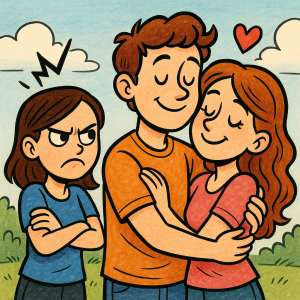
Jealousy is a universal human emotion — the fear of losing attention, love, or recognition to someone else. For most people, jealousy is uncomfortable but manageable. For women with ADHD, however, jealousy can feel like a tidal wave, overwhelming and difficult to regulate. Researchers are beginning to explore how ADHD
Beyond CBT: What ADHD Women Actually Need From Therapy
# # Why “fixing your thoughts” isn’t enough — and what to look for instead If CBT has ever made you feel like therapy was another test to fail… you’re not alone. For many ADHD women, traditional therapy approaches like CBT (Cognitive Behavioral Therapy) can feel like just one more
How ADHD Leads to Depression
# Why Do People with ADHD Often Develop Depression? A 2025 Study Has New Answers A major new study published in 2025 in the *[Journal of the American Academy of Child & Adolescent Psychiatry](https://doi.org/10.1016/j.jaac.2024.11.015)* looked at an important question: **Why are people with ADHD more likely to become depressed as
How ADHD Shows Up DIfferently in Women New 2025 Study Reveals Key Gender Gap
# Understanding ADHD Through a Gender Lens ADHD isn’t just a childhood disorder—or a “boy’s diagnosis.” A new study analyzing over 2,200 adult patients reveals that ADHD symptoms and impairments manifest differently in men and women, especially in adulthood. While the core features of ADHD remain consistent, how those symptoms
Enhanced Creativity in Autism: The Role of ADHD Traits
Can ADHD Traits Enhance Creativity? Exploring AuDHD and Neurodivergent Strengths Creativity is often celebrated as a strength in people who think differently, but what causes it? A new study, Enhanced Creativity in Autism is Due to Co-Occurring Attention-Deficit/Hyperactivity Disorder, looks at how traits from both autism and ADHD (known together
✨ Title: “The Hidden Link Between Stress, Hives, and Neurodivergence: How Stress Affects the Skin in Neurodivergent Individuals”
Does Your Skin Flare Up When You’re Stressed? You’re not alone. Stress can trigger physical reactions like hives, eczema, or itchy skin. For neurodivergent individuals, the connection between stress and skin health can be even stronger. Take Jessica, for example. She’s an ADHD client I worked with who experienced mysterious
ADHD Energy Tracking for Women: A Simple Tool to Protect Your Energy
ADHD Energy Tracking as a Burnout Prevent Tool If you are an ADHD woman and an autistic woman or both (AuDHD), you’ve probably noticed that your energy levels can swing a lot. Some days, you feel unstoppable, and others, even basic tasks, feel exhausting. Energy tracking is a simple way
Building Routines That Work for Your AuDHD Brain
Simple and Flexible AuDHD Routines to Reduce Overwhelm Introduction: Struggling to create a routine that works for your AuDHD brain? You’re not alone. For women with AuDHD (autism + ADHD), routines can feel like a double-edged sword—comforting and grounding one day, restrictive and frustrating the next. The key isn’t forcing
5 AuDHD Challenges Women Face
Living at the Intersection of ADHD and Autism Being Autistic and ADHD—what a lot of us call AuDHD—can feel like juggling two parts of yourself that don’t always line up. ADHD might push you to dive headfirst into something new, while autism pulls you back, craving routine and predictability. It