What We Know, What Helps, and What to Consider
What This Page Covers
This page answers one question only:
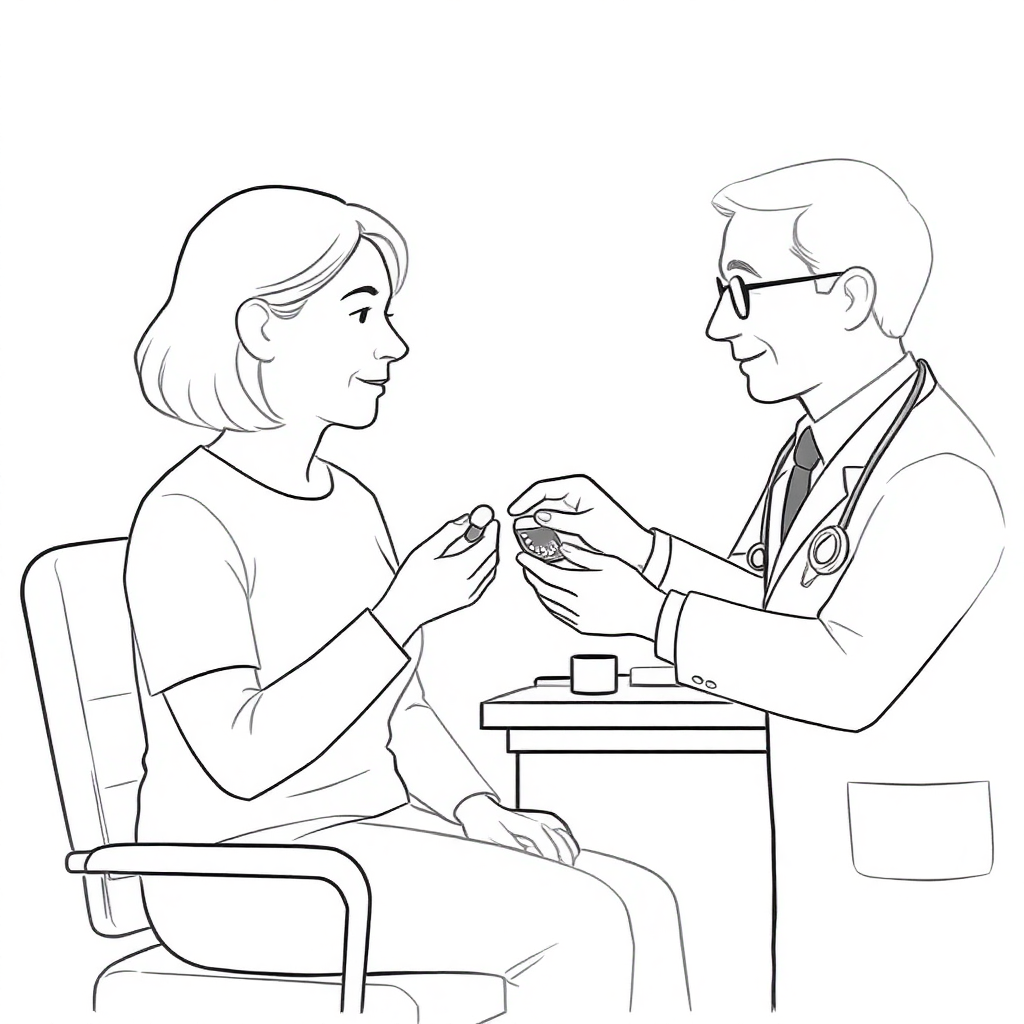
How does hormone replacement therapy interact with ADHD symptoms, and when might it be helpful?
🔵 This page does not recommend HRT universally
🔵 This page does not promise symptom resolution
🔵 This page does not replace medical care
🔵 This page does not re-teach menopause biology
This page is meant to help ADHD women orient, ask better questions, and reduce confusion.
Why HRT Comes Up for ADHD Women
Many ADHD women first hear about hormone replacement therapy during perimenopause or menopause, often after noticing:
🔵 Worsening focus or memory
🔵 Increased emotional reactivity
🔵 Sleep disruption
🔵 ADHD medication feeling less effective
Because estrogen affects dopamine, it is reasonable to ask whether hormonal support might influence ADHD symptoms.
That question deserves a careful, evidence-aware answer.
How Estrogen Interacts With ADHD
Estrogen supports several brain systems that matter in ADHD, including:
🔵 Dopamine availability
🔵 Dopamine receptor sensitivity
🔵 Prefrontal cortex functioning
These systems affect attention, motivation, working memory, and emotional regulation.
When estrogen declines:
🔵 Cognitive effort increases
🔵 Emotional regulation becomes harder
🔵 ADHD symptoms may feel louder or less manageable
For some women, HRT partially restores hormonal support that reduces strain on these systems.
What HRT May Help With (for Some Women)
Research and clinical experience suggest HRT may help some ADHD women with:
🔵 Sleep quality
🔵 Mood stability
🔵 Cognitive clarity
🔵 Mental stamina
Some women report:
🔵 Improved focus
🔵 Better response to ADHD medication
🔵 Reduced brain fog
These effects are variable and not guaranteed.
What HRT Does Not Do
HRT does not:
🔵 Treat ADHD itself
🔵 Replace ADHD medication or skills
🔵 Eliminate executive function challenges
🔵 Work the same way for every woman
HRT is a contextual support, not a cure.
Timing Matters
Some evidence suggests:
🔵 HRT started earlier in the menopausal transition may offer more cognitive benefit
🔵 Later initiation may be less effective for cognition
This is sometimes referred to as a “window of opportunity,” though individual health history matters more than timelines alone.
ADHD Medication and HRT Together
Some women notice that ADHD medication:
🔵 Feels more effective once hormones are stabilized
🔵 Requires adjustment during hormonal transitions
For some, combining ADHD medication and HRT is helpful.
For others, it is not.
This requires coordinated care, careful monitoring, and individualized decision-making.
Risks and Considerations
HRT is not risk-free. Important considerations include:
🔵 Personal and family medical history
🔵 Type and route of hormones used
🔵 Age and time since menopause
🔵 Cardiovascular and cancer risk profiles
Many early fears about HRT came from misinterpreted data, but thoughtful risk assessment is still essential.
This is a medical decision, not a lifestyle trend.
Who May Want to Discuss HRT Further
HRT may be worth discussing if you:
🔵 Notice marked cognitive or mood changes during menopause
🔵 Have significant sleep disruption
🔵 Feel ADHD symptoms worsen with hormonal shifts
🔵 Have not responded fully to ADHD-only treatment
It may not be appropriate for everyone.
How to Talk With a Provider About HRT and ADHD
Helpful questions include:
🔵 How might hormones be affecting my ADHD symptoms?
🔵 What benefits might I realistically expect?
🔵 What risks apply to my health history?
🔵 How would we monitor cognitive and mood changes?
🔵 How would this interact with my ADHD medication?
A provider familiar with both menopause and neurodevelopmental conditions is ideal.
A Neurodivergent-Affirming Reframe
Exploring HRT is not about “fixing” ADHD.
It is about understanding how hormonal context affects a brain that already works differently.
For some women, hormonal stability reduces unnecessary strain.
For others, non-hormonal supports are sufficient.
Both are valid.
Related Resources
🔵 ADHD and Menopause
🔵 Memory Loss, Menopause, and ADHD
🔵 ADHD Women in Perimenopause
🔵 ADHD and Hormones