Table of Contents
Toggle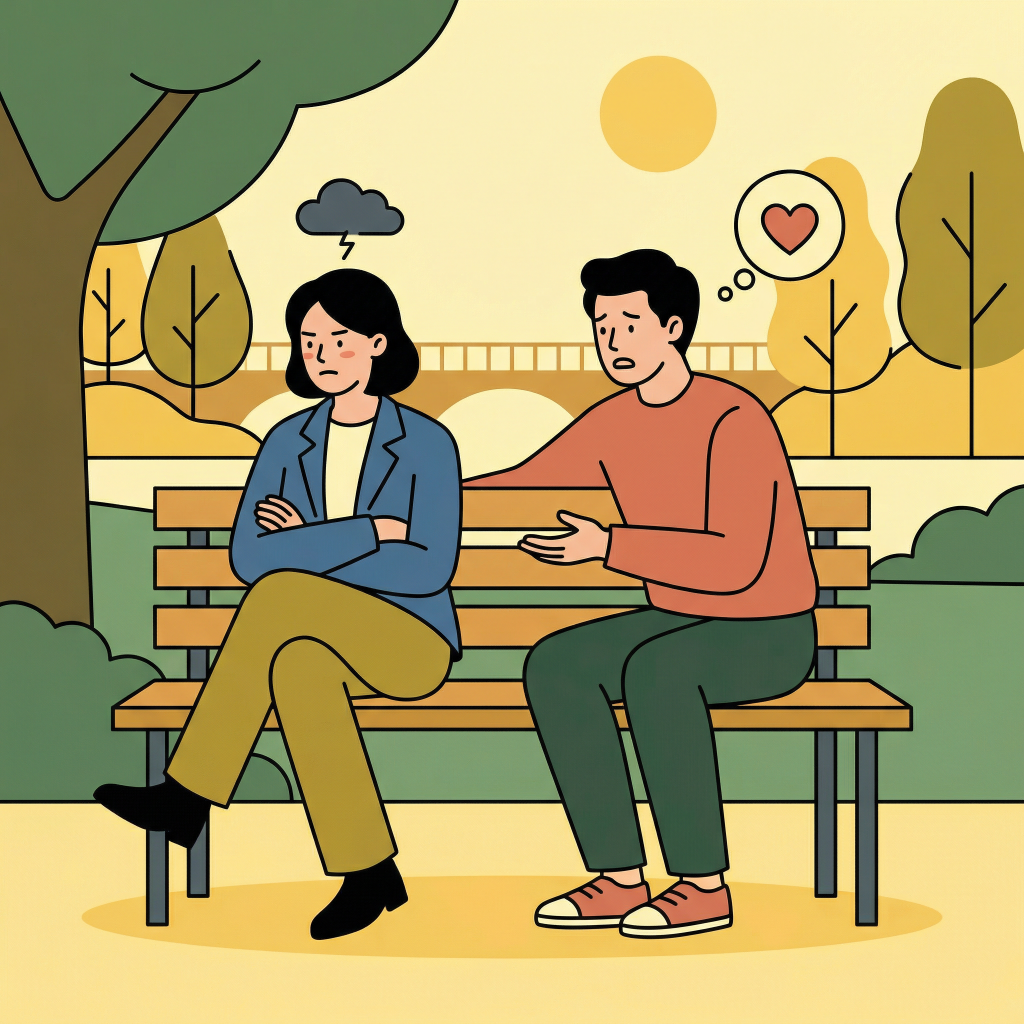
If you are a woman with ADHD who experiences Rejection Sensitive Dysphoria (RSD), romantic relationships can feel especially intense.
Small changes in tone, a delayed text, or mild feedback from a partner can trigger a fast emotional reaction. Even when nothing serious has happened, your body may react as if the relationship is in danger.
This page focuses on how RSD affects romantic relationships. For a full explanation of RSD, see the main overview.
What RSD Looks Like in Romantic Relationships
In romantic relationships, signs of rejection feel bigger because they are tied to:
-
Emotional safety
-
Feeling secure
-
Belonging
-
Long-term commitment
When RSD activates in this setting, the reaction can feel immediate and overwhelming.
A partner asking for space may feel like abandonment.
A short reply may feel like anger.
A disagreement may feel like the beginning of a breakup.
This just means your nervous system reacts quickly when connection feels uncertain.
Why Romantic Relationships Feel More Intense
Romantic relationships are different from friendships because there is usually more emotional investment.
They often include:
-
Planning a future together
-
Emotional closeness
-
Daily involvement in each other’s lives
-
Physical intimacy
Because of this, even small signs of distance can feel threatening.
Instead of thinking,
“We had a disagreement,”
your mind may jump to,
“I might lose this relationship.”
That shift makes the reaction stronger.
How This Affects Relationship Stability
Research shows that high rejection sensitivity is linked to lower relationship satisfaction.
When small moments feel large, they require more repair. Over time, this can create tension.
You may notice yourself:
-
Watching your partner’s mood closely
-
Asking for reassurance often
-
Worrying the relationship is unstable
-
Replaying conversations
Even if the relationship is stable, it may not feel that way inside.
That difference is exhausting.
The Pattern That Develops
Fear of rejection can change behavior.
You might:
-
Pull away during conflict
-
Become defensive
-
Over-explain
-
Ask repeatedly if everything is okay
These reactions are attempts to protect the relationship.
But they can create pressure. A partner may feel confused or overwhelmed. That distance can then confirm your fear.
This is not manipulation. It is a stress response.
But stress responses can unintentionally create instability.
Conflict and Recovery
RSD affects how long it takes to calm down.
Once activated, it can be hard to settle. During conflict, this may look like:
-
Jumping to worst-case conclusions
-
Difficulty pausing
-
Thinking about the argument long after it ends
Small disagreements can grow because both people react to emotion instead of the original issue.
The relationship may still be strong, but it can feel fragile.
Jealousy and Misreading Cues
Romantic attachment makes you more sensitive to unclear situations.
If your partner spends time with others, your mind may look for signs of replacement.
If they seem distracted, you may assume they are losing interest.
These thoughts can feel true in the moment. But they are often threat responses, not facts.
Repeated misinterpretation can strain trust — both in your partner and in yourself.
RSD and Attachment
RSD and attachment insecurity are not the same.
RSD is a fast emotional reaction to perceived rejection.
Attachment insecurity develops over time from relationship experiences.
They can overlap. When they do, reactions may feel even stronger.
For example:
-
Anxious attachment may increase reassurance-seeking.
-
Avoidant patterns may increase withdrawal after conflict.
Understanding this difference helps reduce self-blame.
Reducing Escalation in Romantic Relationships
The goal is not to eliminate sensitivity.
The goal is to shorten the time it takes to feel steady again and to understand why the reaction is happening.
Helpful steps include:
-
Naming activation early (“I’m getting overwhelmed.”)
-
Agreeing on pause signals during conflict
-
Planning reassuring phrases ahead of time
-
Clarifying what “space” means before conflict
-
Repairing misunderstandings quickly
Structure lowers confusion.
Less confusion lowers threat.
When to Seek Support
If RSD in romantic relationships leads to:
-
Repeated conflict cycles
-
Emotional crashes after arguments
-
Ongoing fear of abandonment
-
Avoiding closeness
working with a therapist who understands ADHD can help.
The goal is not to suppress sensitivity.
The goal is to regulate it within the relationship.
Structured tools can help you:
-
Separate thoughts from facts
- Assess if the relationship is the problem
-
Reduce rumination
-
Shorten recovery time after conflict
Related Reading
-
Clinical Disclaimer
The information on this page is for educational purposes only and is not a substitute for individual mental health treatment. Reading this content does not establish a therapeutic relationship. If you are experiencing significant distress, thoughts of self-harm, or worsening mental health symptoms, please seek immediate support from a licensed professional or local emergency services.
→ See the full overview: Rejection Sensitive Dysphoria and ADHD
