
Many ADHD women want better boundaries at work. Advice often focuses on confidence, assertiveness, or saying no, but these strategies do not fit every environment. Some workplaces are unsupportive or unpredictable. Some are unsafe. Many women cannot leave immediately due to income, benefits, or long-term planning.
This page focuses on boundaries that protect your energy, reduce harm, and create clarity even when a job change is not possible yet.
Why Boundaries Feel Hard for ADHD Women
Many ADHD women learned to cope with work demands through over-functioning. This can include:
- taking responsibility for gaps in the system
- responding immediately to every request
- working longer hours to maintain stability
- masking stress to avoid negative reactions
- assuming conflict means personal failure
These patterns form in response to real conditions, not personal flaws. They develop when workplaces reward overwork and punish transparency.
What Boundaries Can Realistically Do in Hard Workplaces
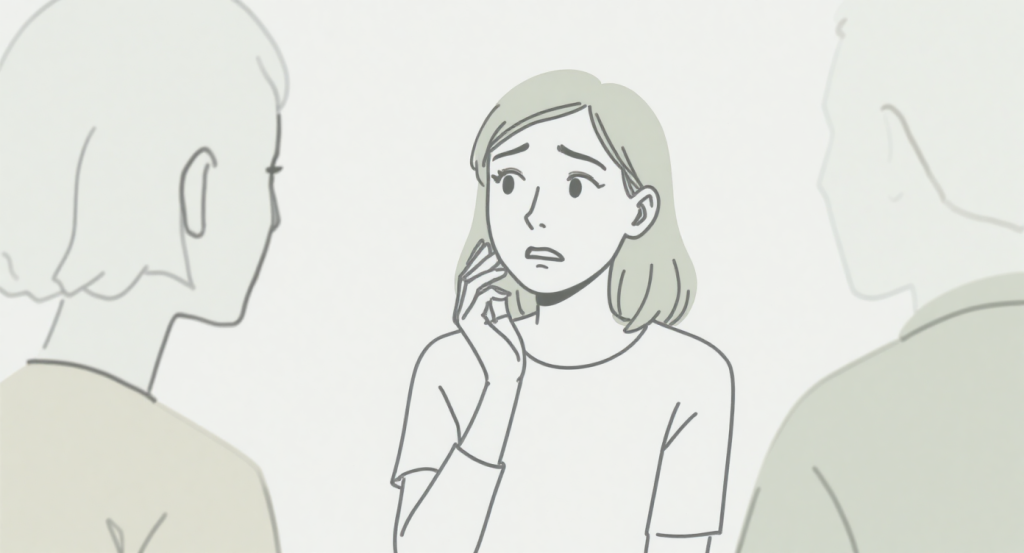
Boundaries cannot change a harmful system. They can:
- create more predictability
- reduce energy loss
- limit exposure to pressure
- support documentation
- slow escalation
- clarify expectations
A realistic boundary protects your capacity without increasing risk.
Signs You Need Workplace Boundaries
You may need boundaries when:
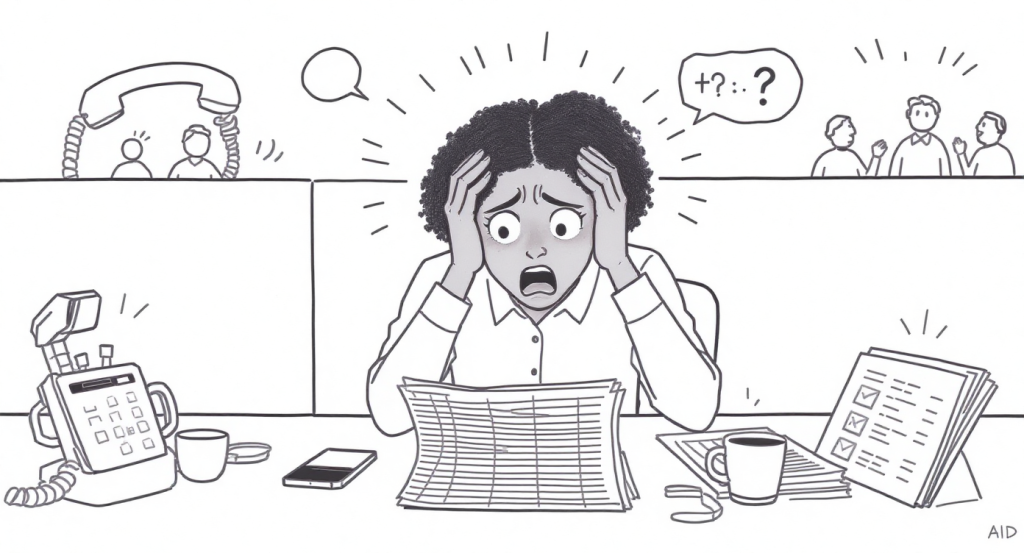
- you feel pressure to be available at all times
- requests increase after you meet expectations
- you receive unclear instructions
- your workload expands without discussion
- your anxiety increases before messages or meetings
- you complete tasks after hours to avoid criticism
These patterns often show up before burnout or harm.
Low-Risk Boundaries You Can Use Immediately
These boundaries focus on clarity and structure. They do not require disclosure and carry minimal risk.
Examples:
1. Clarify task priority
“Can you confirm which task needs to be completed first so I can plan my timeline.”
2. Move vague instructions into writing
“I want to be sure I understand. Here is my summary of the instructions. Please correct anything I missed.”
3. Set response expectations
“I will respond to messages by noon and by end of day.”
4. Request written follow-up after meetings
“This helps me stay accurate and organized.”
5. Use time framing instead of saying no
“I have capacity for one task today. Which one would you prefer.”
These boundaries reduce miscommunication and support documentation.
Medium-Risk Boundaries That Increase Stability
These boundaries create structure in environments that expect constant flexibility.
Examples:
1. Limit verbal agreements
“I can complete this once I have written confirmation of the steps and deadline.”
2. Reduce last-minute demands
“I can take this on if the deadline moves to tomorrow. If not, I will continue with current tasks.”
3. Protect focus time
“I will be unavailable from 1 to 3 for project work.”
4. Redirect personal responsibility
“I need clarification from leadership before proceeding.”
These boundaries work best when used consistently.
High-Risk Boundaries to Use With Caution
These boundaries may create conflict in unstable or unsafe workplaces. They can be necessary, but risk increases.
Examples:
- refusing new responsibilities without discussion
- challenging inconsistent policies
- requesting meetings with HR
- pushing for accountability when patterns are unclear
- correcting a supervisor’s error
Use these when documentation is strong and support is available.
ADHD Challenges That Shape Workplace Boundaries
ADHD symptoms can complicate boundary-setting in predictable ways:
- difficulty recognizing slow increases in workload
- responding quickly to reduce anxiety
- fear of negative reactions due to rejection sensitivity
- assuming conflict means personal failure
- masking exhaustion to avoid attention
Awareness helps create boundaries that fit your nervous system instead of fighting it.
Boundaries for Unsafe or Unpredictable Environments

When leaving is not an immediate option, focus on boundaries that reduce exposure.
Helpful approaches include:
- shifting conversations into writing
- limiting detail in explanations
- documenting dates, requests, and outcomes
- asking for clarification instead of giving justification
- avoiding commitments made under pressure
- slowing down communication to reduce errors
These strategies increase safety without requiring confrontation.
Scripts for ADHD Women Who Struggle With Direct Communication
These options keep language clear and neutral.
Clarifying workload
“I want to confirm the priority so I complete the correct task first.”
Redirecting responsibility
“I cannot move forward until I receive the next step in writing.”
Protecting time
“I will be available after 1:00.”
Handling sudden requests
“I can complete this by tomorrow. If you need it today, please let me know which task should move.”
Maintaining boundaries with inconsistent supervisors
“I want to be sure I follow expectations. Can you clarify the deadline.”
When Boundaries Do Not Work
Lack of improvement may indicate a workplace problem, not a personal one.
Examples include:
- retaliation or pressure after setting a limit
- increased surveillance
- shifting expectations without notice
- consequences for asking for clarity
- losing opportunities after communicating needs
These patterns suggest the issue is not the boundary but the environment.
How to Stabilize When You Cannot Leave Yet
Small steps support clarity and reduce harm:
- limit verbal agreements
- save emails and messages
- maintain a simple daily log
- reduce extra tasks
- avoid volunteering for new responsibilities
- move to written formats whenever possible
- track shifts in expectations
These actions support long-term decisions and safety.
Where to Go Next
- ADHD, Burnout, and Workplace Exploitation
- How ADHD Women Can Document Workplace Harm
- When ADHD Women Should Leave a Job
- How to Interview After a Toxic Workplace
