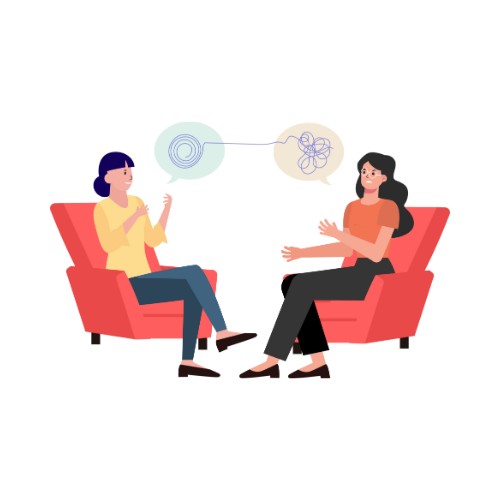
Receiving a late ADHD diagnosis can feel like being handed a map to a territory you have already lived in—one you navigated through trial, error, and determination.
For many women, the diagnosis arrives after years of wondering why everyday things seemed to take more effort than they appeared to for others. Patterns that once felt like personal failures begin to make sense.
Alongside the relief of understanding often comes a new question:
What comes next?
Many women experience a mix of emotions after diagnosis. Relief is common—but so is grief. Looking back at years of misunderstanding yourself can bring up complicated feelings.
If that experience resonates, you may want to explore grief after a late ADHD diagnosis, which many women experience as they reprocess their past through a new lens.
But a diagnosis is not only about explaining the past. It can also be the beginning of designing a life that truly supports how your brain works.
Why ADHD Is Often Diagnosed Late in Women
ADHD is significantly underdiagnosed in women. Many women only receive answers in adulthood.
There are several reasons for this:
• ADHD symptoms in girls often look different from the hyperactive stereotype
• many women develop strong masking strategies
• symptoms are frequently mistaken for anxiety, depression, or burnout
• high-achieving women often compensate for years before seeking help
Learning more about ADHD symptoms in women often helps people recognize patterns that previously went unnoticed.
Step 1: Redefining Yourself as a Neurodivergent Woman
A late ADHD diagnosis often leads to a reevaluation of identity.
For years, you may have described yourself with labels that felt harsh but familiar: messy, forgetful, disorganized, unreliable.
Now those labels can begin to shift.
Instead of interpreting your struggles as personal shortcomings, you can begin understanding them as part of how your brain processes attention, energy, and information.
You Are a Neurodivergent Woman
You have spent years adapting in environments largely designed for neurotypical brains.
You developed strategies.
You pushed through exhaustion.
You figured things out.
Your diagnosis does not change who you are.
It reveals the resilience that has already been there.
Recognizing ADHD Strengths
While ADHD brings challenges, it can also come with strengths that are often overlooked.
Many women with ADHD show strong abilities in areas such as:
Creativity – seeing connections and possibilities others may miss
Empathy – deeply understanding others’ emotions and perspectives
Problem-solving – navigating complexity with flexibility and ingenuity
Take a moment to reflect:
What strengths helped you move through difficult moments in your life?
Step 2: Understanding and Reducing Masking
Many women spend years masking ADHD traits in order to appear more organized, attentive, or “together.”
Over time, ADHD masking in women can create a disconnect between how someone actually experiences the world and how they feel expected to appear.
Masking may look like:
• over-preparing for meetings
• double-checking everything repeatedly
• hiding struggles with organization or attention
While these strategies can help people function, they are also exhausting.
Diagnosis can create space to begin experimenting with more authentic ways of working and living.
Step 3: Creating an ADHD-Supportive Lifestyle
A late diagnosis offers an opportunity to rethink daily systems.
Rather than forcing yourself into structures designed for neurotypical brains, you can begin building environments that support your attention and energy.
Rethinking Productivity
Traditional productivity advice often assumes consistent attention and motivation.
Many ADHD-friendly approaches focus instead on external supports:
• time-blocking with built-in breaks
• accountability partners
• breaking large tasks into small, clear steps
Many women also notice that ADHD decision fatigue makes everyday choices surprisingly draining.
Reducing the number of decisions you need to make during the day can help conserve mental energy.
Optimizing Your Environment
Small environmental changes can significantly improve focus.
Examples include:
• visual reminders for tasks
• simplified workspaces
• background music or white noise
These changes help make information more visible and reduce cognitive load.
Step 4: Redefining Success
Many women with ADHD grow up measuring themselves against standards that were never designed for their brains.
A diagnosis offers permission to rethink those standards.
What would success look like if it reflected your actual needs and strengths?
Setting ADHD-Aligned Goals
Instead of focusing only on large outcomes, many people find it helpful to set:
micro-goals – small, achievable steps
flexible milestones – goals that allow for adjustment
For example:
Instead of “write a book this year,” you might focus on “writing for twenty minutes twice a week.”
Small steps accumulate.
Step 5: Building Support
You do not have to navigate this process alone.
Many women find it helpful to build a support network that understands ADHD.
This might include:
• ADHD-informed therapists
• coaching or support groups
• communities of other ADHD women
Connecting with others who share similar experiences can reduce isolation and provide practical strategies.
Step 6: Letting Go of Perfectionism
Perfectionism often develops as a coping strategy for ADHD.
The desire to avoid mistakes can lead to procrastination and self-criticism.
Moving toward a mindset of progress rather than perfection can reduce pressure and increase flexibility.
Mistakes become information rather than failure.
💡 Affirmation:
“I do not need to get everything perfect. I only need to keep moving forward.”
Moving Forward
A late ADHD diagnosis can be a turning point.
It offers an opportunity to reinterpret past experiences and build systems that genuinely support your brain.
You might begin by asking yourself:
What part of my life would feel easier with more support?
What strength have I overlooked that deserves recognition?
Small shifts in understanding can lead to meaningful changes over time.
Getting Support
If you are navigating life after a late ADHD diagnosis, professional support can help.
I provide neurodivergent-affirming therapy for women with ADHD in North Carolina and South Carolina, helping women reduce shame, understand their brains, and build practical strategies that support daily life.
